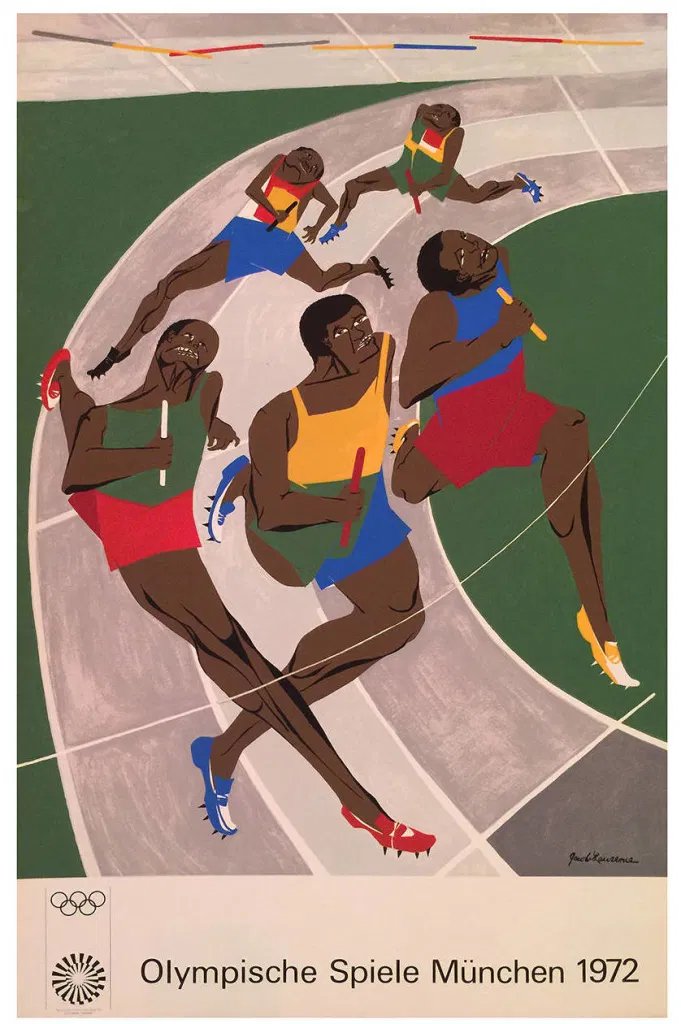
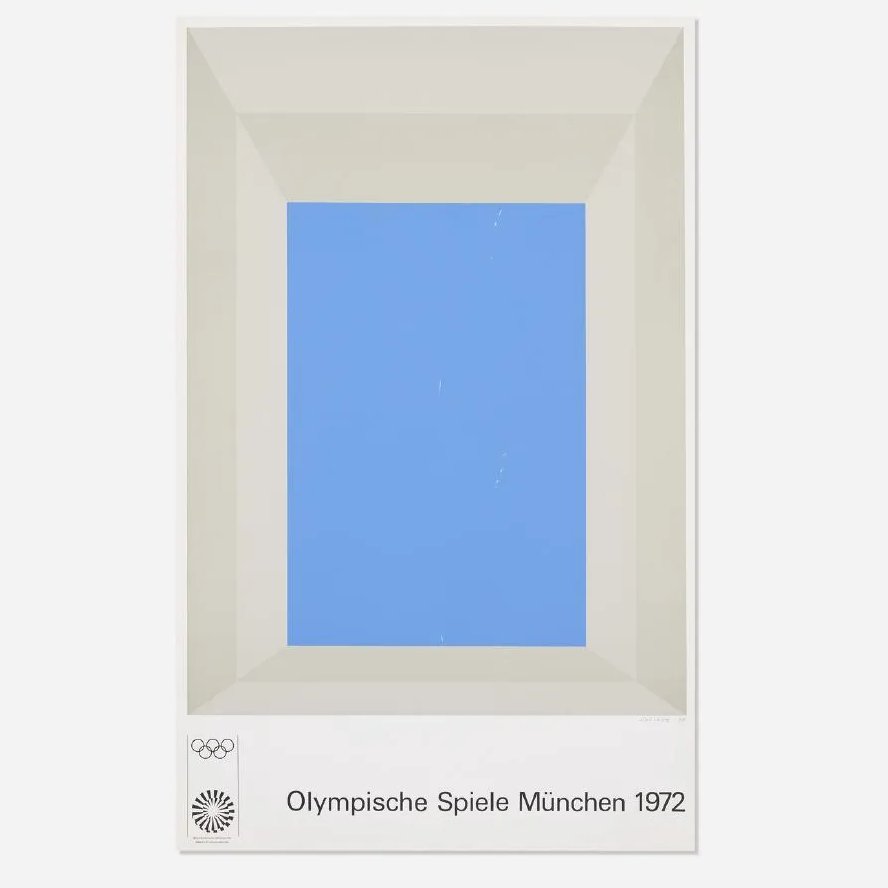
Read on Twitter
I've tweeted a lot about Jacob Lawrence lately. Some context: from 1969-1983, Lawrence was Professor of painting at @uwsoa. I joined the faculty here this year, and have been learning everything I can about Lawrence's time in Washington.
Next quarter I'm teaching a seminar about Lawrence that will coincide with this amazing exhibition coming to @iheartSAM! For the next month, I'm going to tweet about his work every day, in no particular order. http://www.seattleartmuseum.org/Exhibitions/Details?EventId=69628
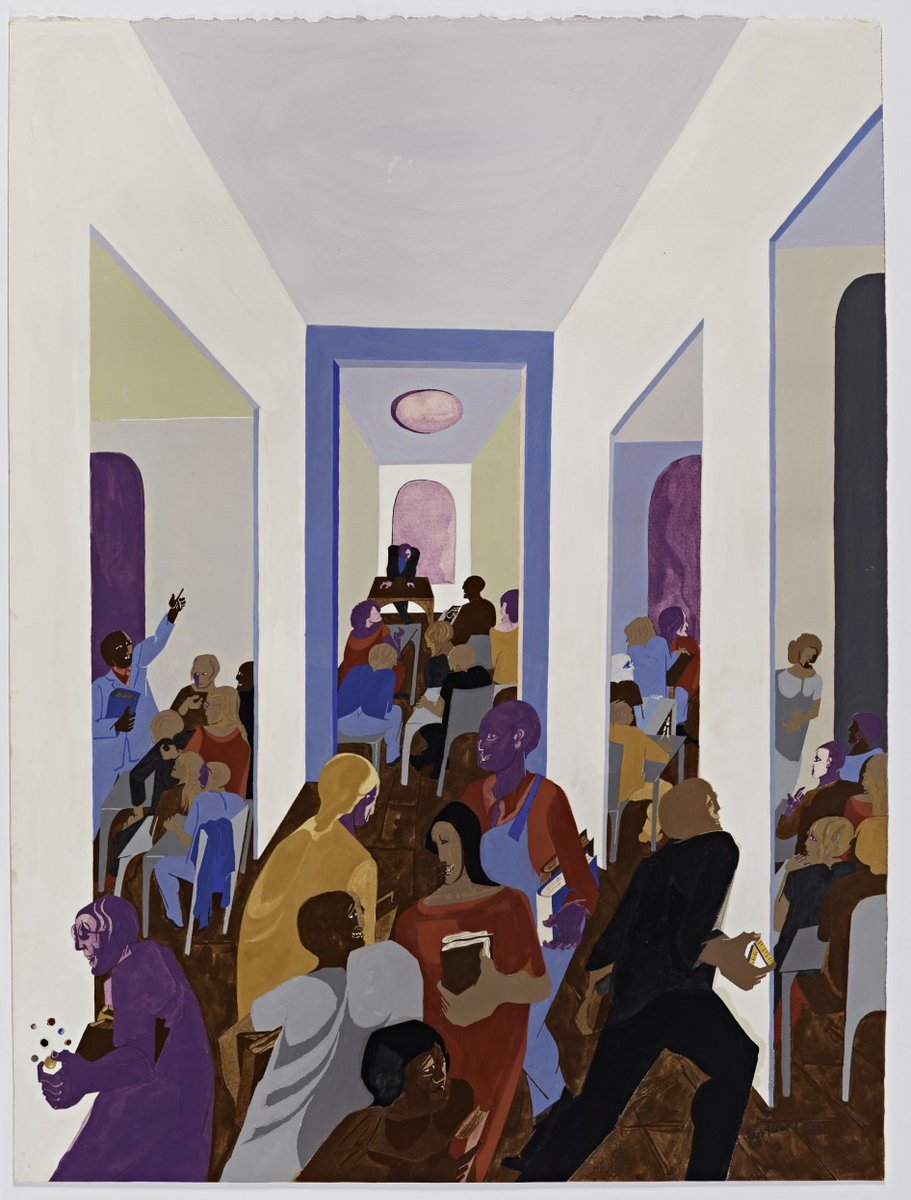
Up first, a new favorite: Jacob Lawrence, University, 1977; gouache, tempera, and graphite on paper. @CantorArts https://cantorcollection.stanford.edu/objects-1/info?query=mfs%20all%20%22jacob%20lawrence%22&sort=9&page=70
Jacob Lawrence, The Studio, 1977 (gouache, @iheartSAM). Here's Lawrence's self-portrait: working in his Seattle studio, with Harlem out the window. In the 1983 photo, he's standing in front of the finished painting. The Studio in the studio! http://art.seattleartmuseum.org/objects/10605/the-studio


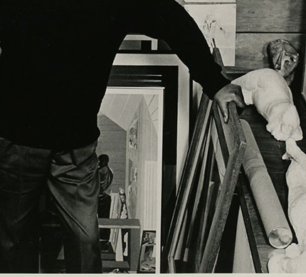
This was his studio at his home in the Laurelhurst neighborhood of Seattle, walking distance from the @UW campus--an important detail for New Yorkers who didn't drive.

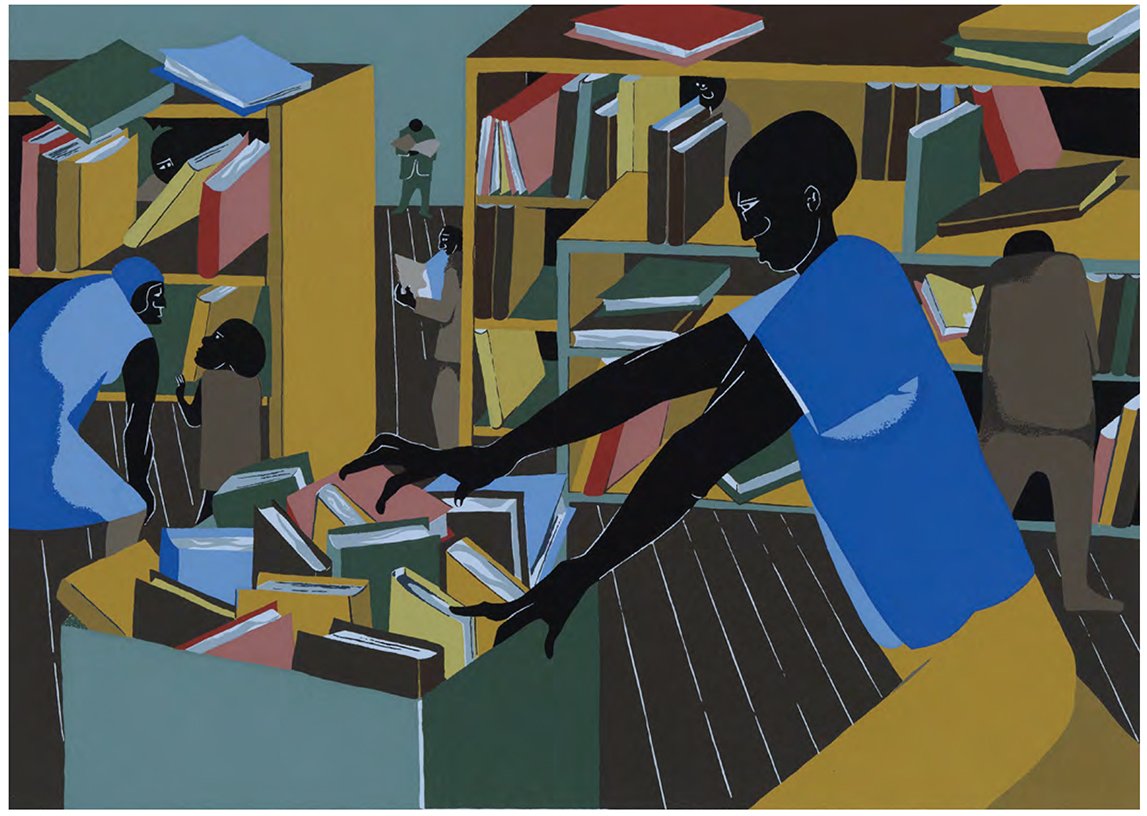
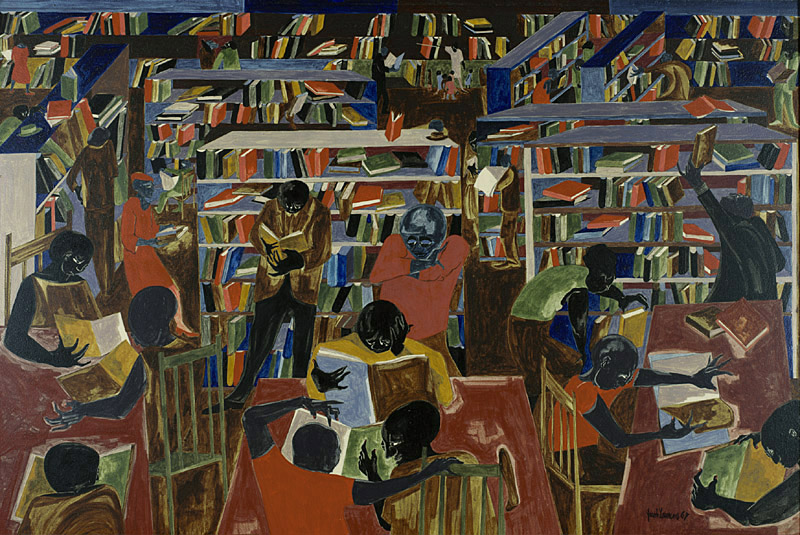
3. Jacob Lawrence, The Library, 1978. Silkscreen on paper. Are there any other images of people reshelving library books in art? I love this one.
4. Jacob Lawrence, The Cue and the Ball, 1956. Tempera on paper, @hirshhorn. One of Lawrence's pool paintings was the cover art for the "rare recordings" of "the incomparable Jelly Roll Morton"...which I just bought for $12. Am I an art collector now? https://hirshhorn.si.edu//collection/artwork/?edanUrl=edanmdm%3Ahmsg_66.2919
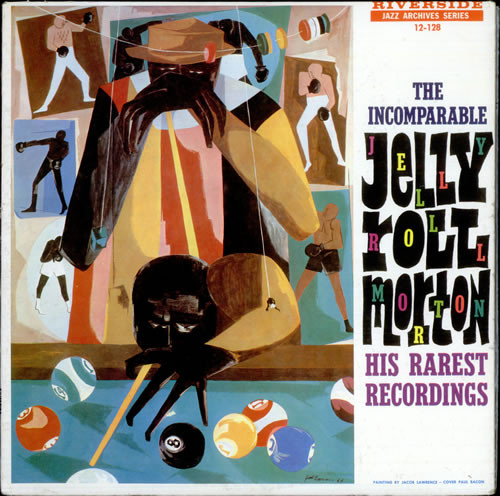

Anyone know what the deal is with these dangling strings? So much going on here!


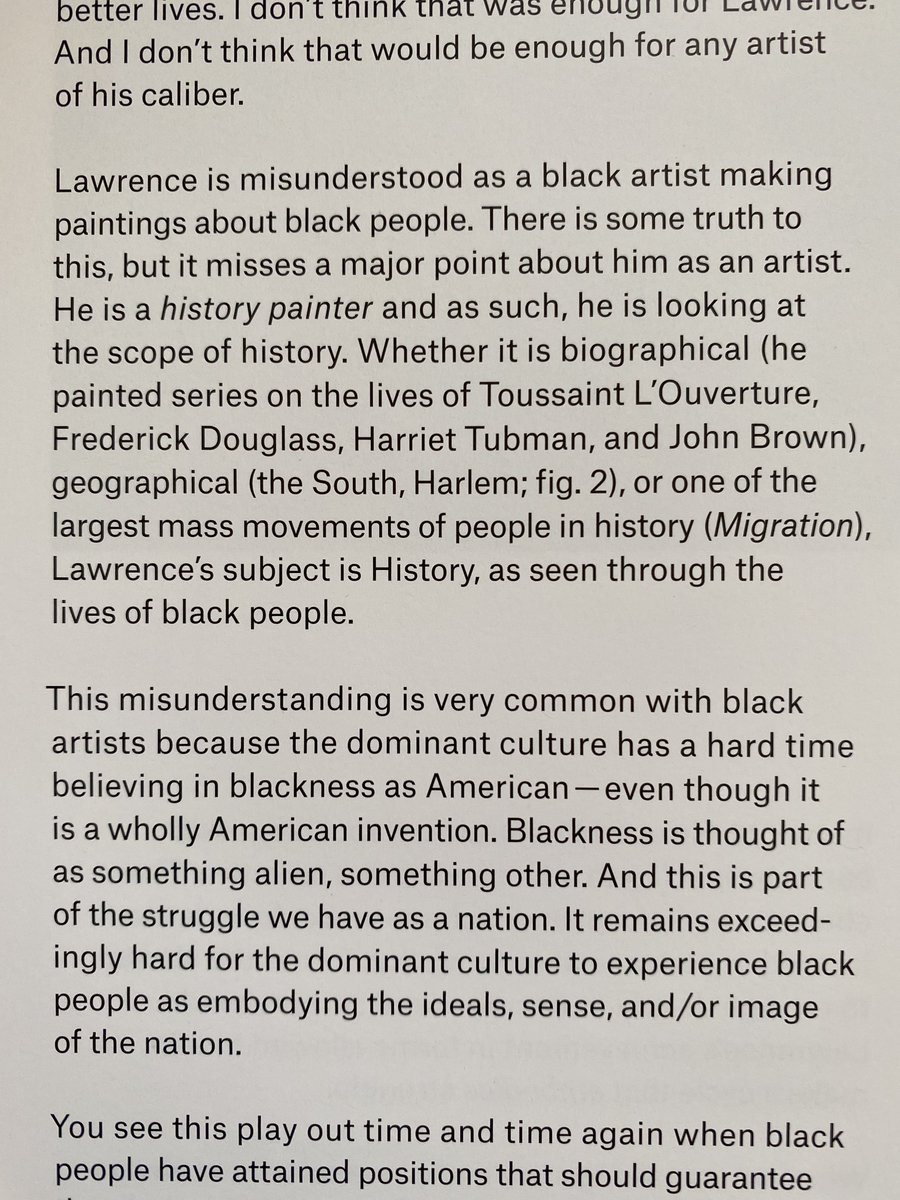
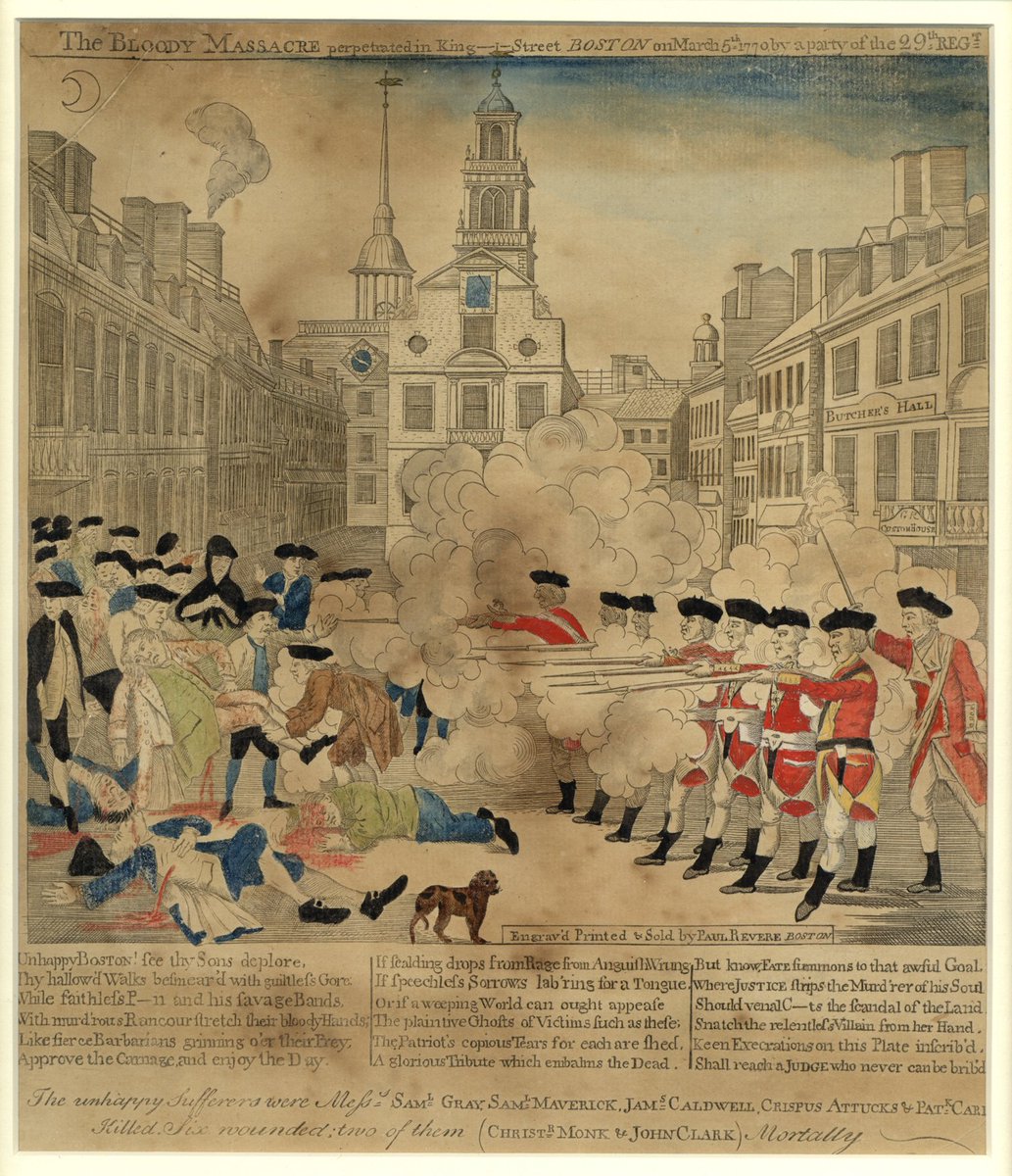
5. "Massacre in Boston," 1952. @steve_locke describes Lawrence as an artist whose "subject is History, as seen through the lives of black people." That's different from the common "black artist painting black people" characterization, and this painting helps us see how.

Lawrence shifts the perspective. Crispus Attucks, a Black man who was the first casualty of the revolution, is wedged into the left corner of Revere's 1770 print. Lawrence walks us over to the side and lowers us to face him. History hasn't changed--only the vantage point.
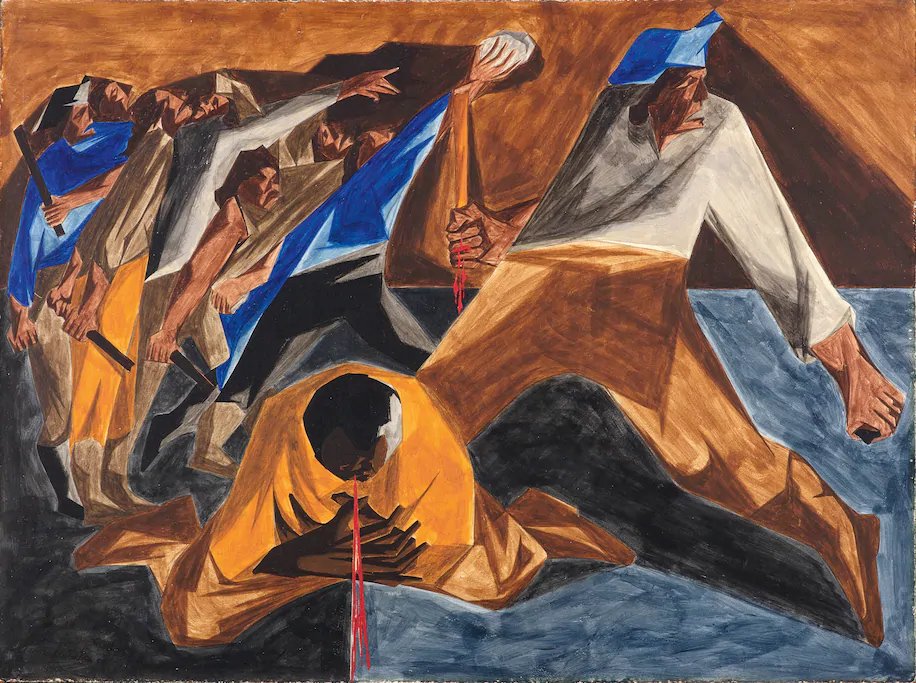
"Boston Massacre" is panel #2 in the "American Struggle" series. @steve_locke's contribution to the exhibition catalogue, "I, Too, Sing America," is one of the best things I've read about Lawrence. https://www.pem.org/jacob-lawrence-the-american-struggle-panels/panel-2
6. Jacob Lawrence, Dream Series #5: the Library, 1967 ( @PAFAcademy). Another dreamy reading room for everyone out there missing the library. https://www.pafa.org/museum/collection/item/dream-series-5-library
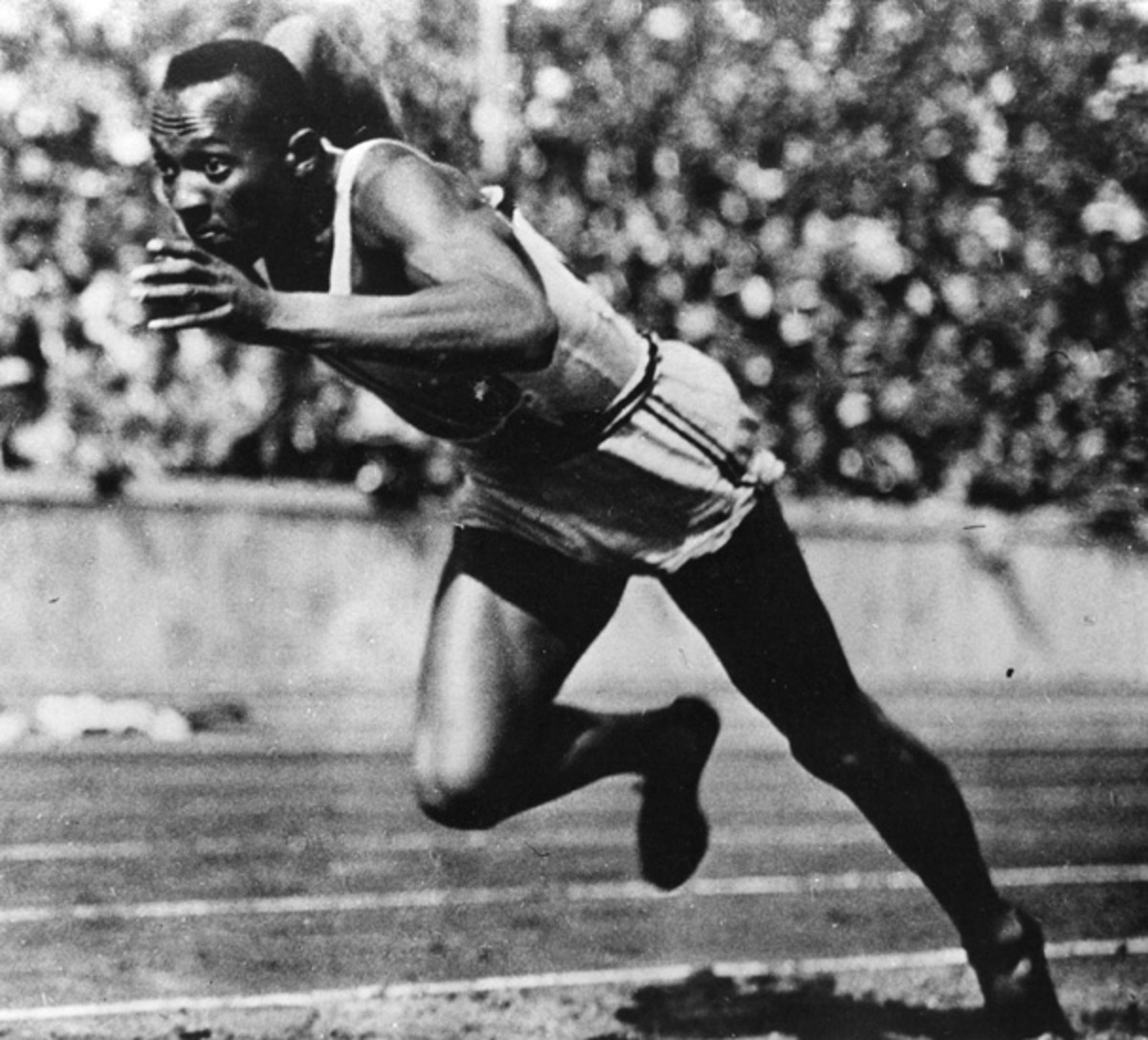
Jacob Lawrence, study for the Olympic Games, 1971. In this commissioned poster for the 1972 Munich games, JL calls back to the last games held in Germany. The 1936 Berlin olympics saw Jesse Owens shatter world records amidst surging white supremacist and antisemitic ideologies.
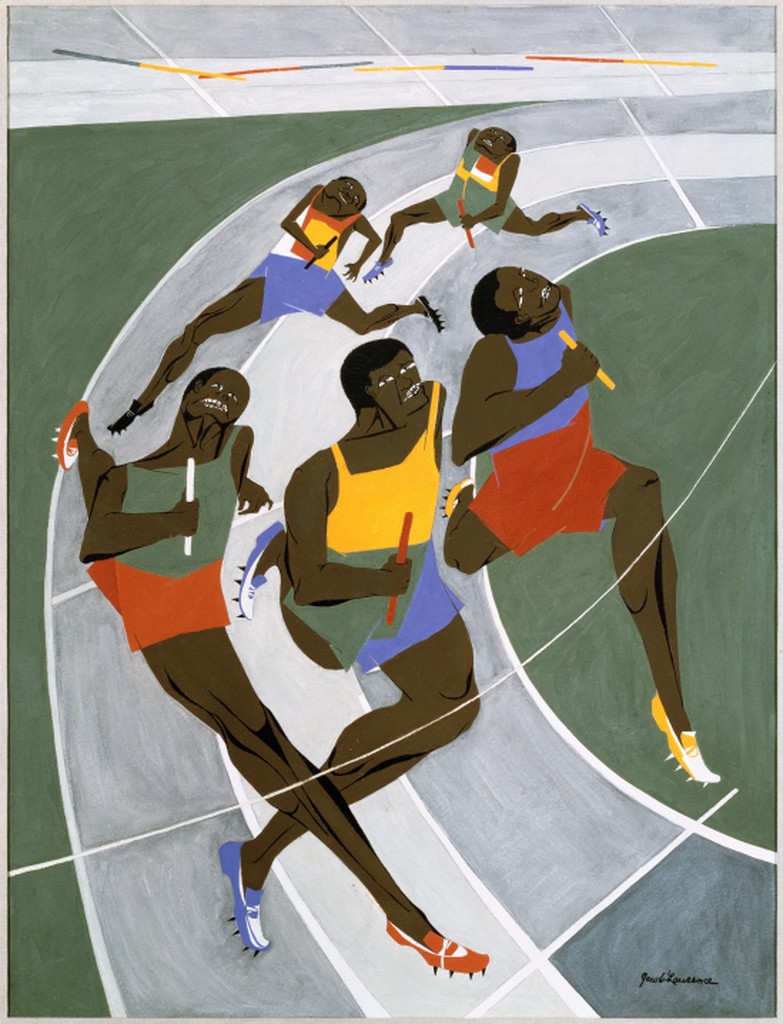
Here's the final poster: Olympic Games Munich 1972 (Olympische Spiele München 1972), color screenprint. Lawrence's was one of many commissions for the 1972 games; here are two others, by David Hockney and Josef Albers.