Read on Twitter
Thread: Botticelli (c1445-1510) was one of the great masters of the Early Renaissance. His paintings have been treasured for their serene beauty, their lyrical lines & distilled composition. Let’s take a look at his work. I find his approach inspiring!
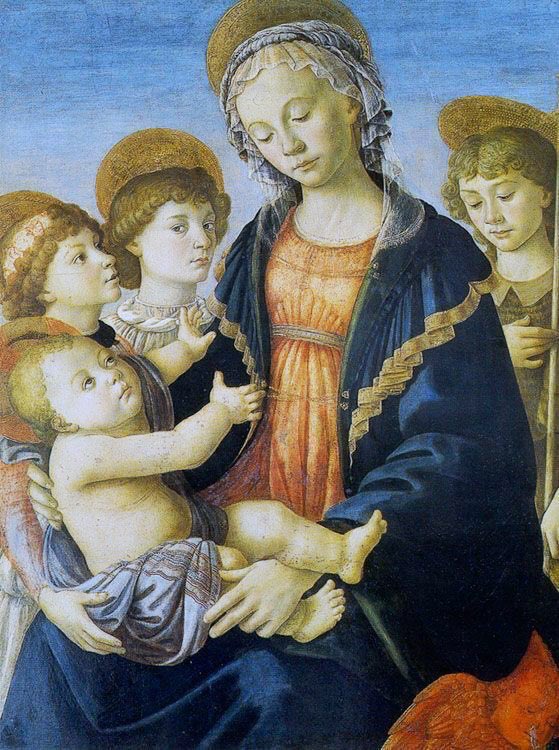
As a Florentine artist his main patronage would be from the church & private devotional images. The latter were popular & with just cause. Virgin & Child with Angels & St John the Baptist (1465-70), Madonna of the Rosegarden (1469-70) & Virgin & Child (1475-85)
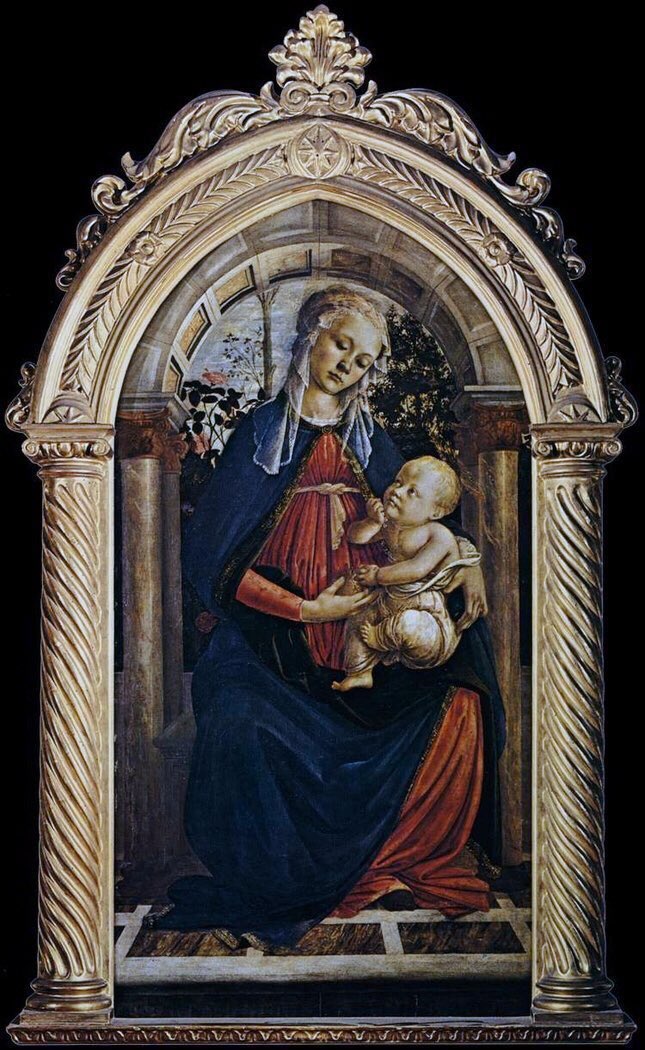
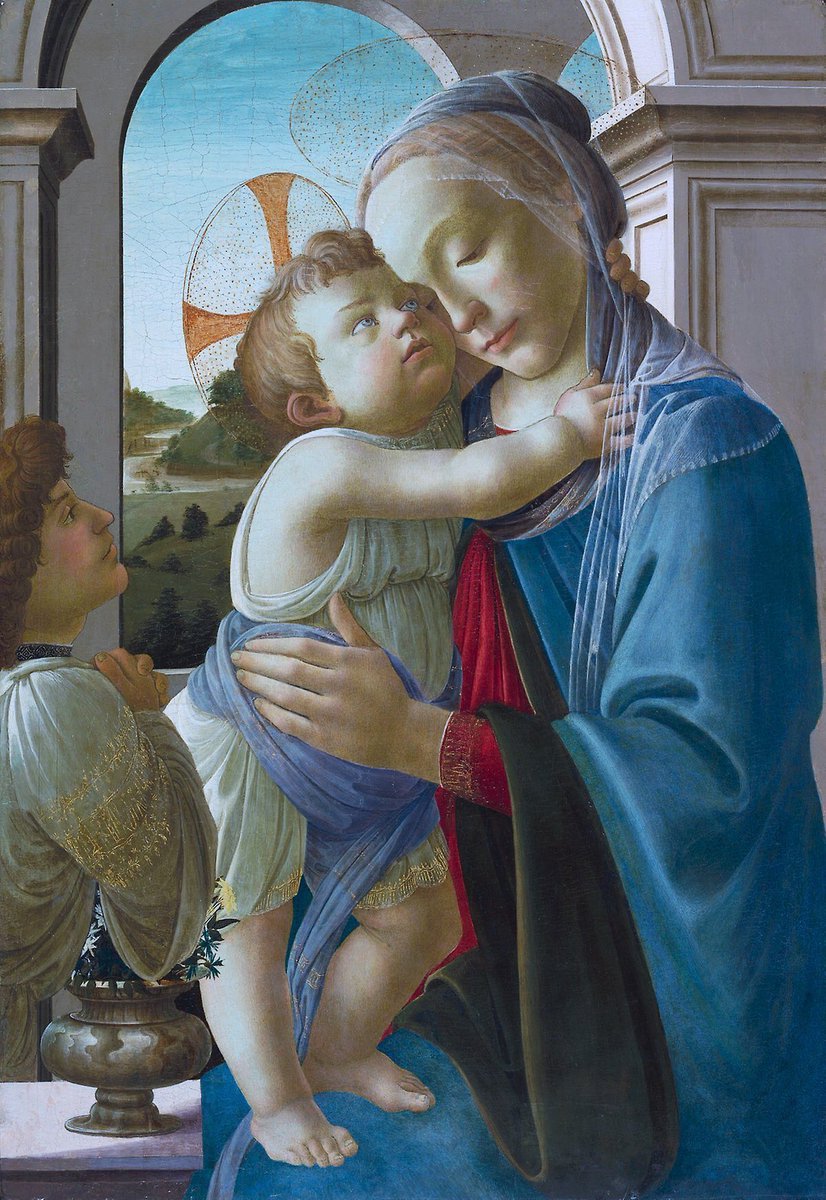
I believe that everyone should have access to original art so set up an Affordable Art Project with my original drawings reduced from my dealer’s price of €700 to just €149. Take a look! https://twitter.com/robertbohan/status/1324790401715310593
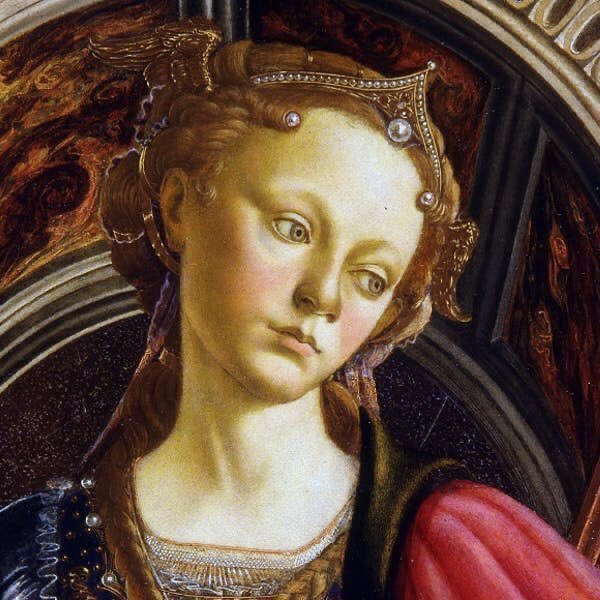
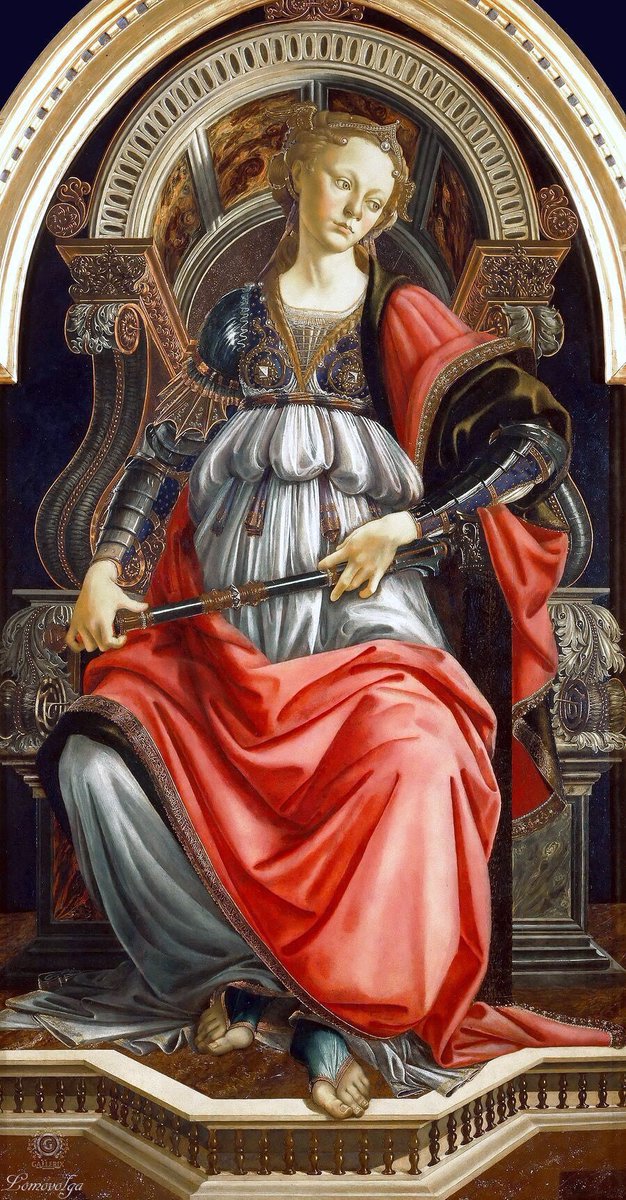
Fortitude (1470). He did however create images that were not religious. These were for sophisticated patrons who were interested in the new learning & the awareness of the ancients that characterised the Renaissance.
Notable too is his penchant for painting good looking lads. This is no surprise as he was believed to be gay. Portrait of a Young Man (c1470), Portrait of a Man with a Medal of Cosimo the Elder & Young Man with Red Cap (c1477)
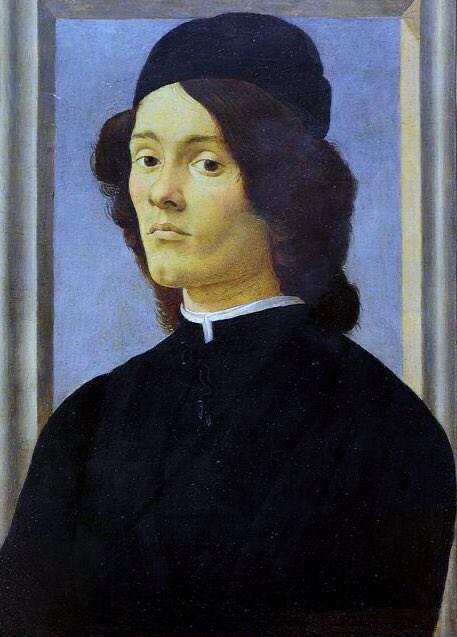
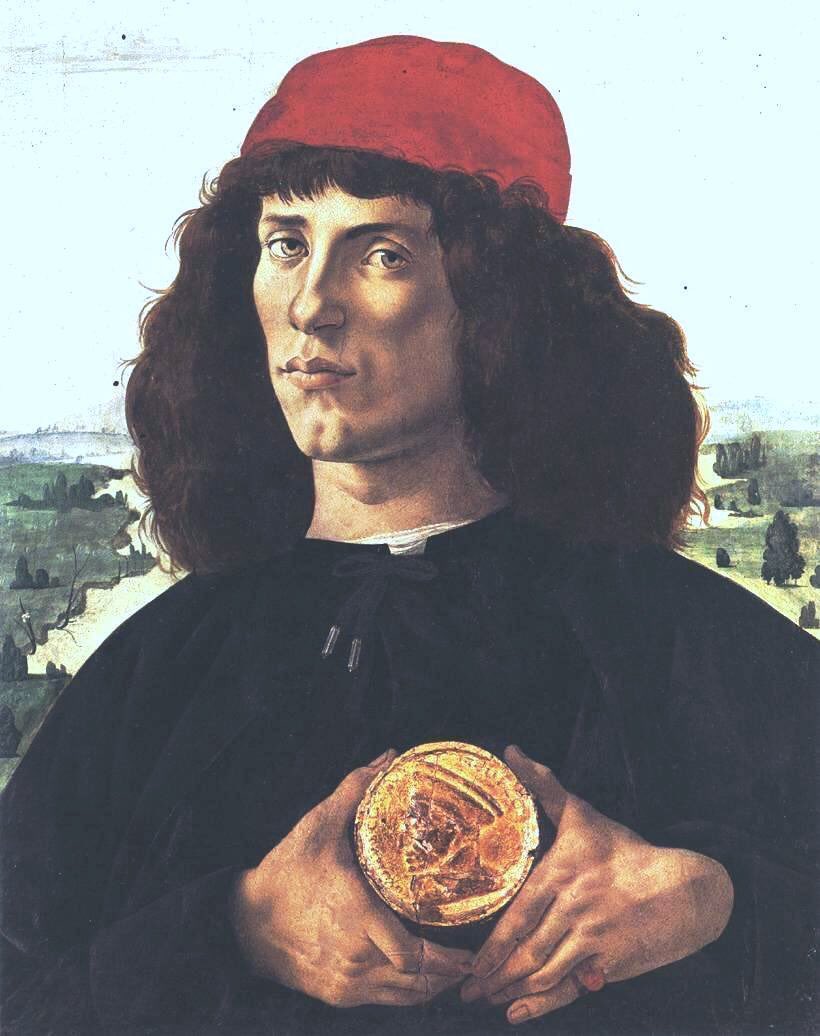
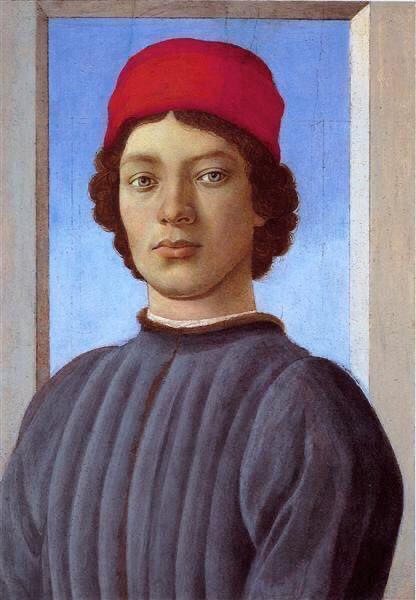
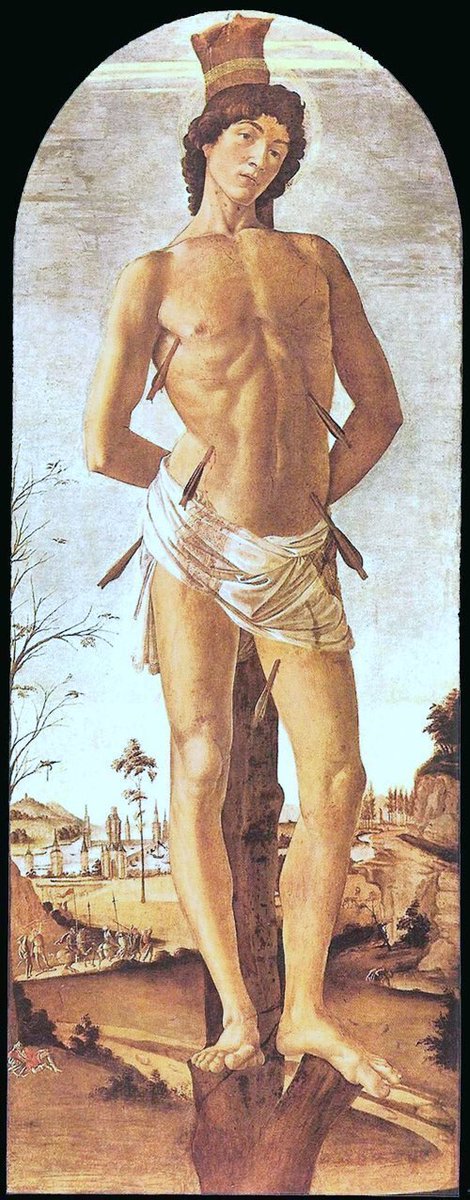
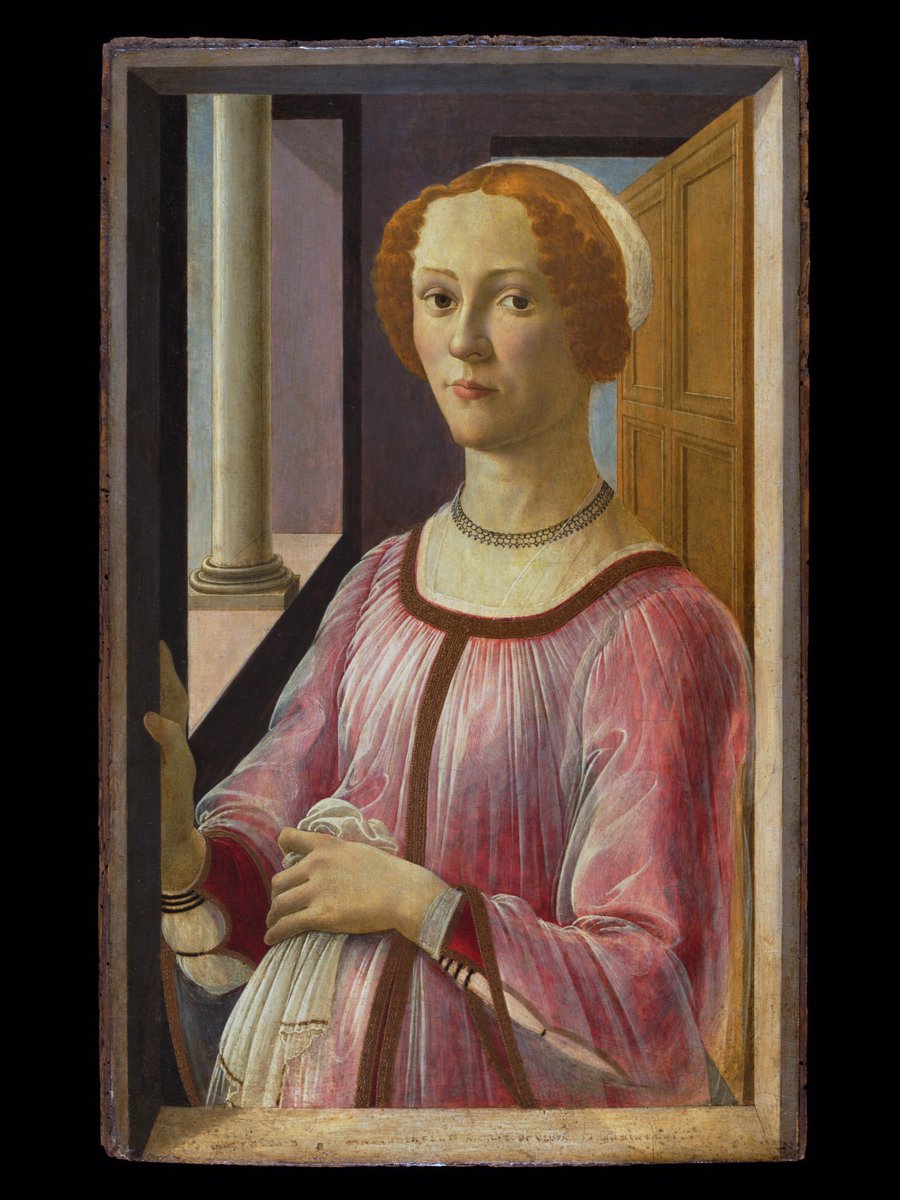
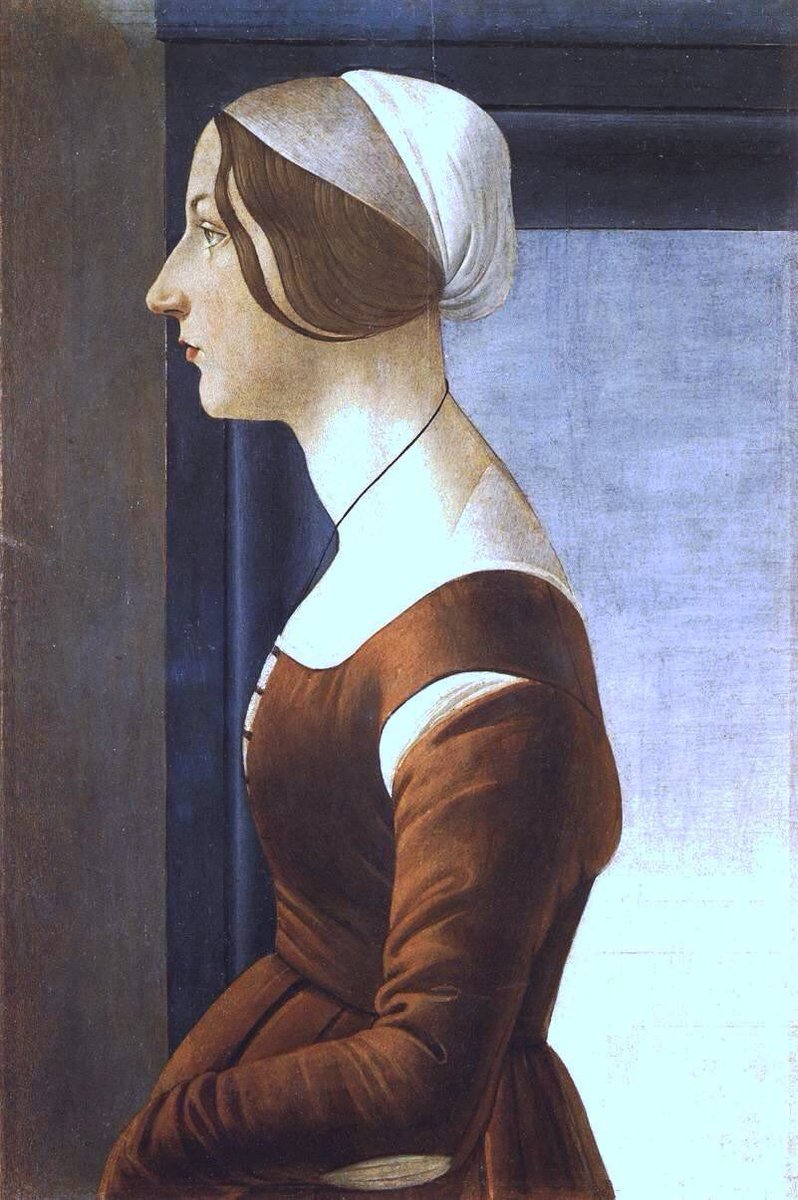
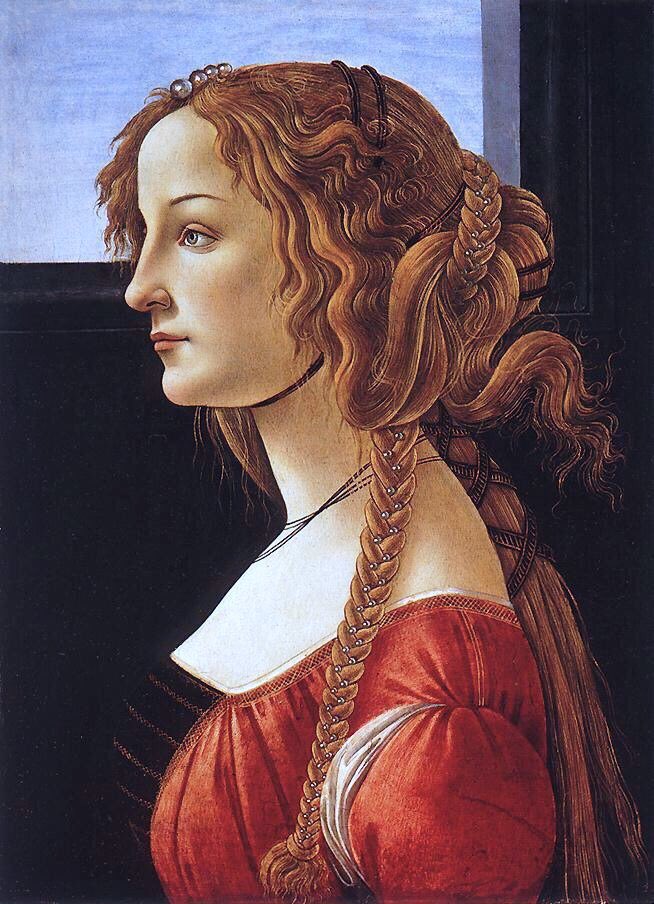
A further hint of his sexuality is his painting of St Sebastian. Many artists, now believed or known to be gay, tackled the penetrated soldier. St Sebastian (c1474), Portrait of a Lady (1470-5) & Portrait of a Young Woman (c1475)
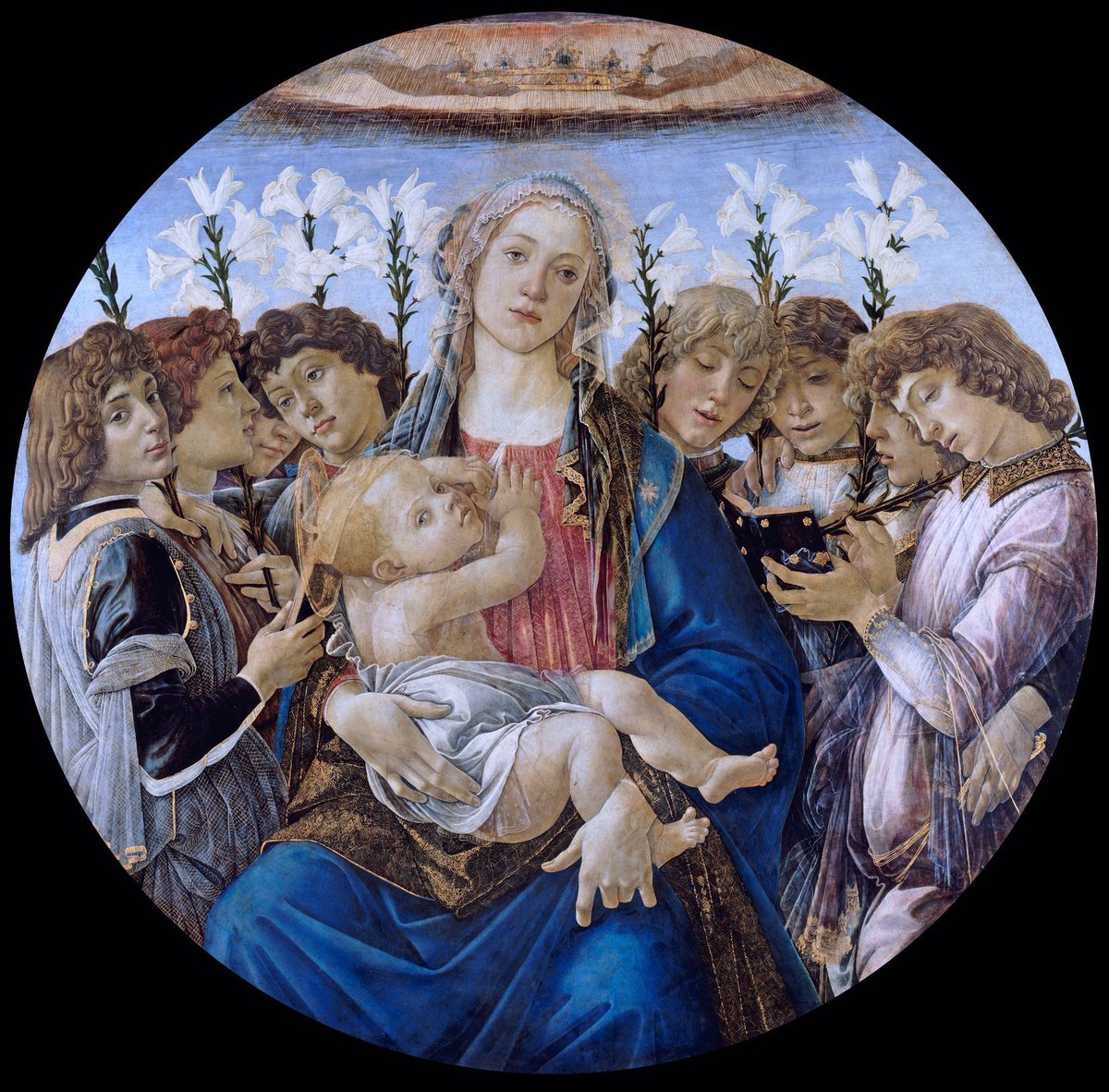
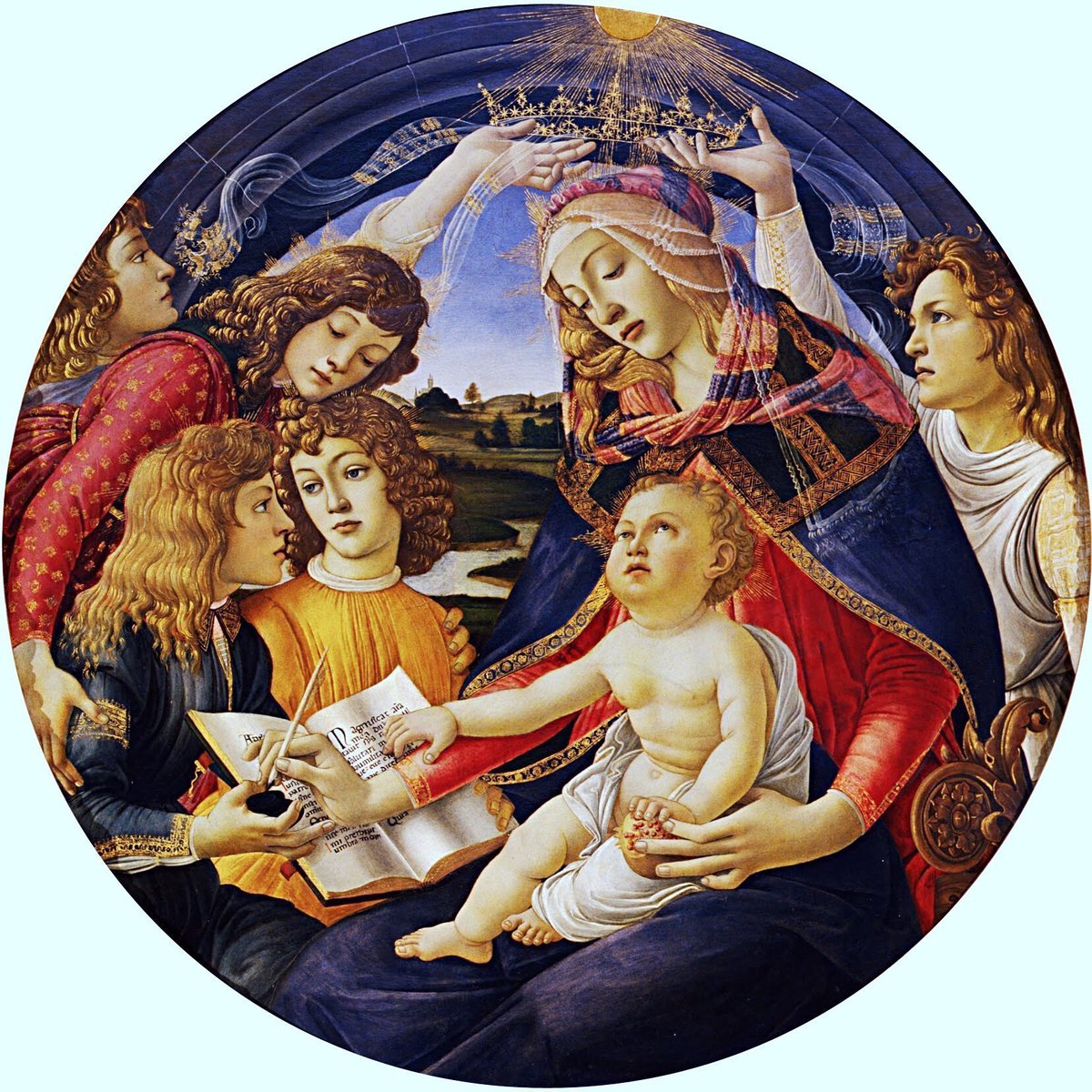
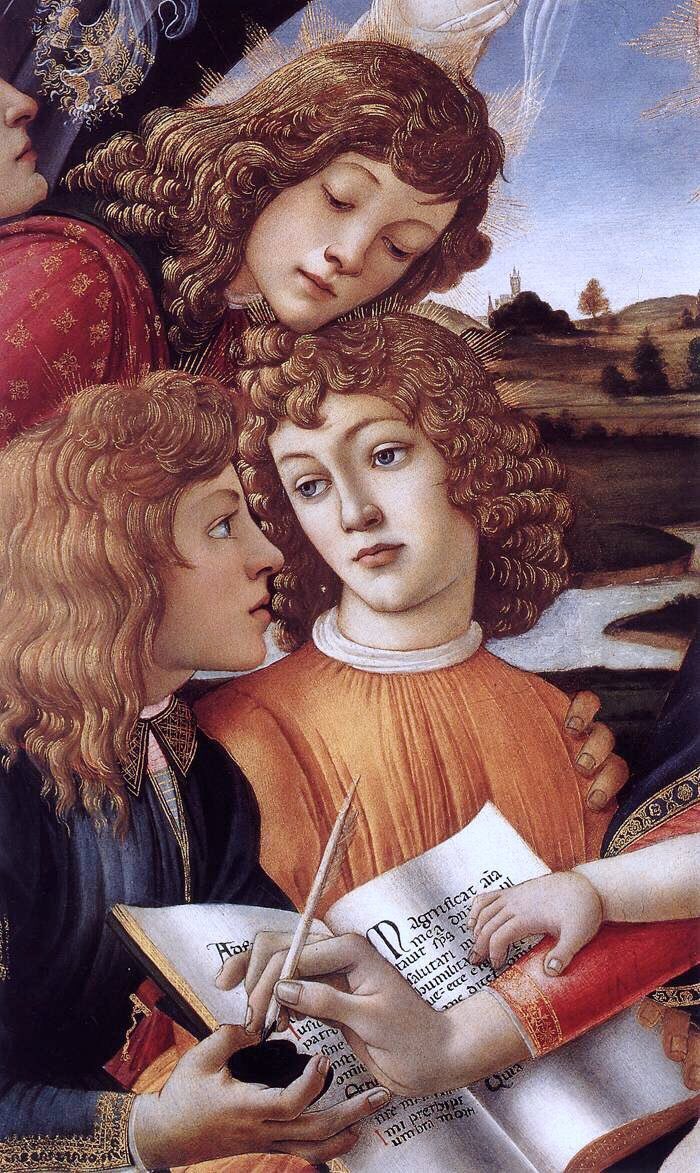
It is, however, for his tondos (round paintings) he is best loved in Western Europe. These are wonderfully contemplative essays in beauty. Madonna & Child with Eight Angels (1478) & Madonna of the Magnificat (1480-1)
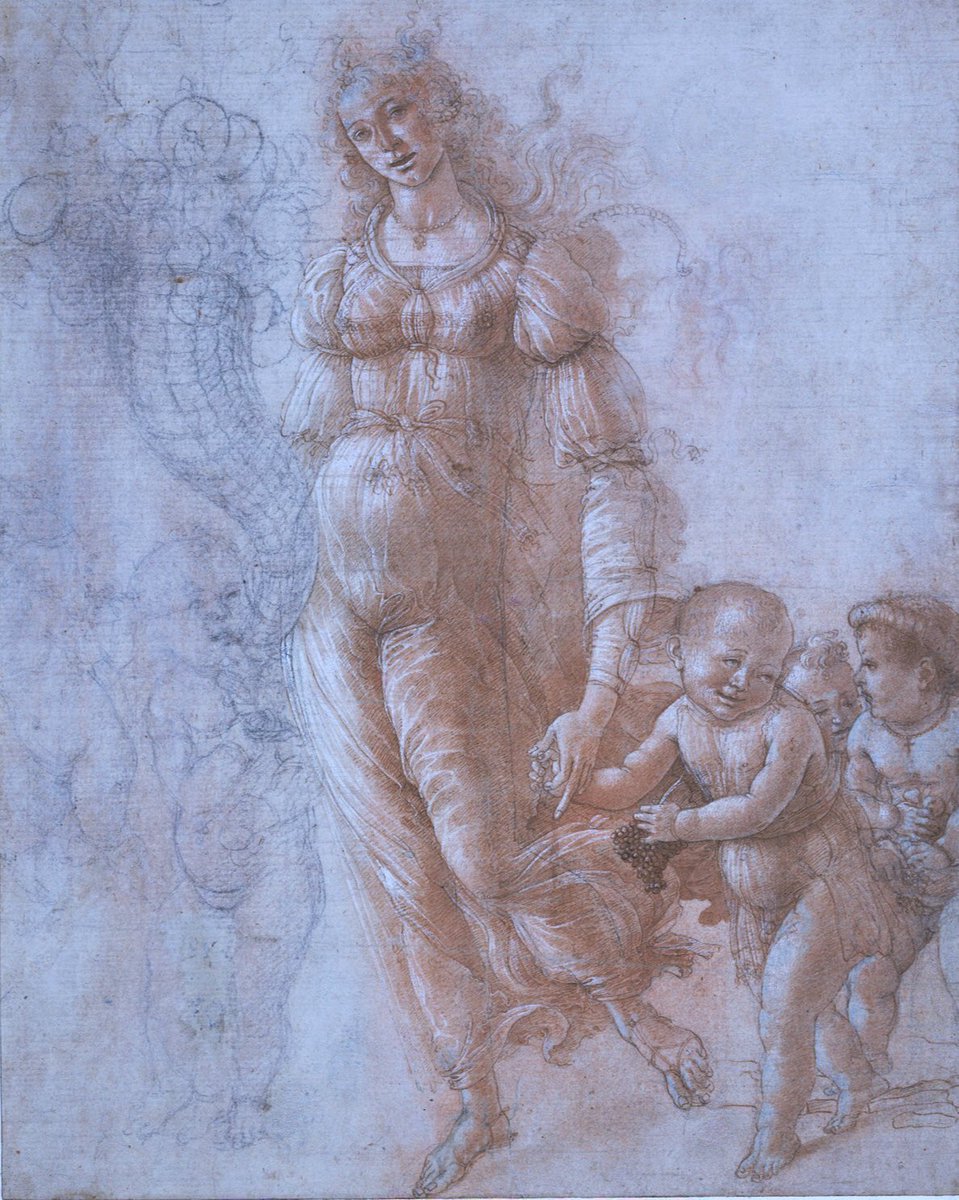
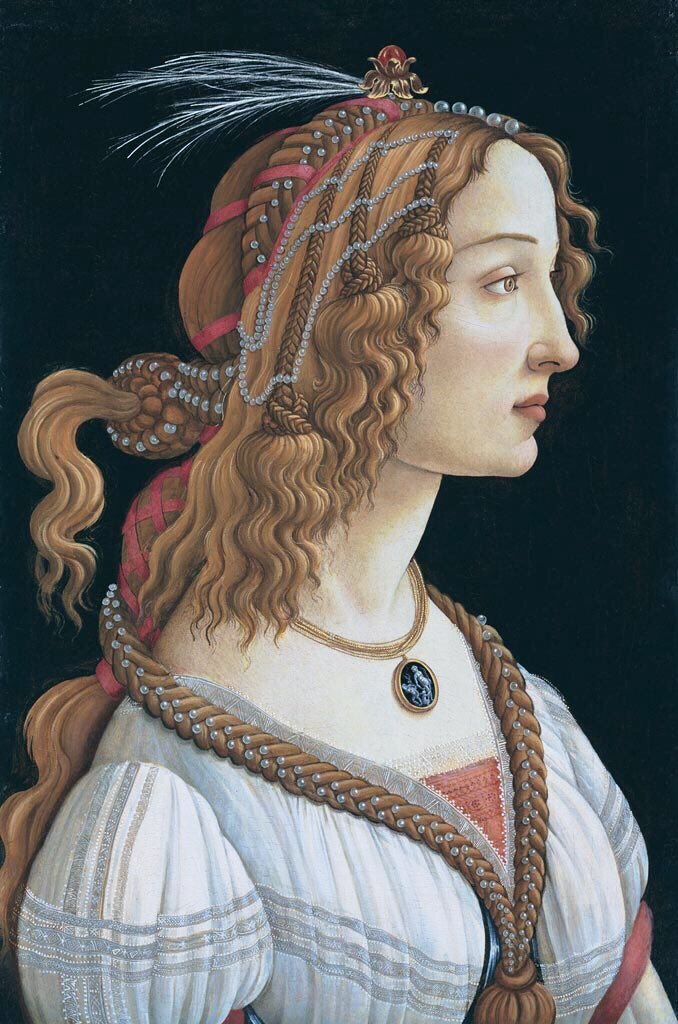
His portraits of women lack the veracity of his men. They are presented in almost heraldic form. Allegory of Abundance (1480-5), Portrait of a Young Woman (c1480) & Young Woman (1480-5)
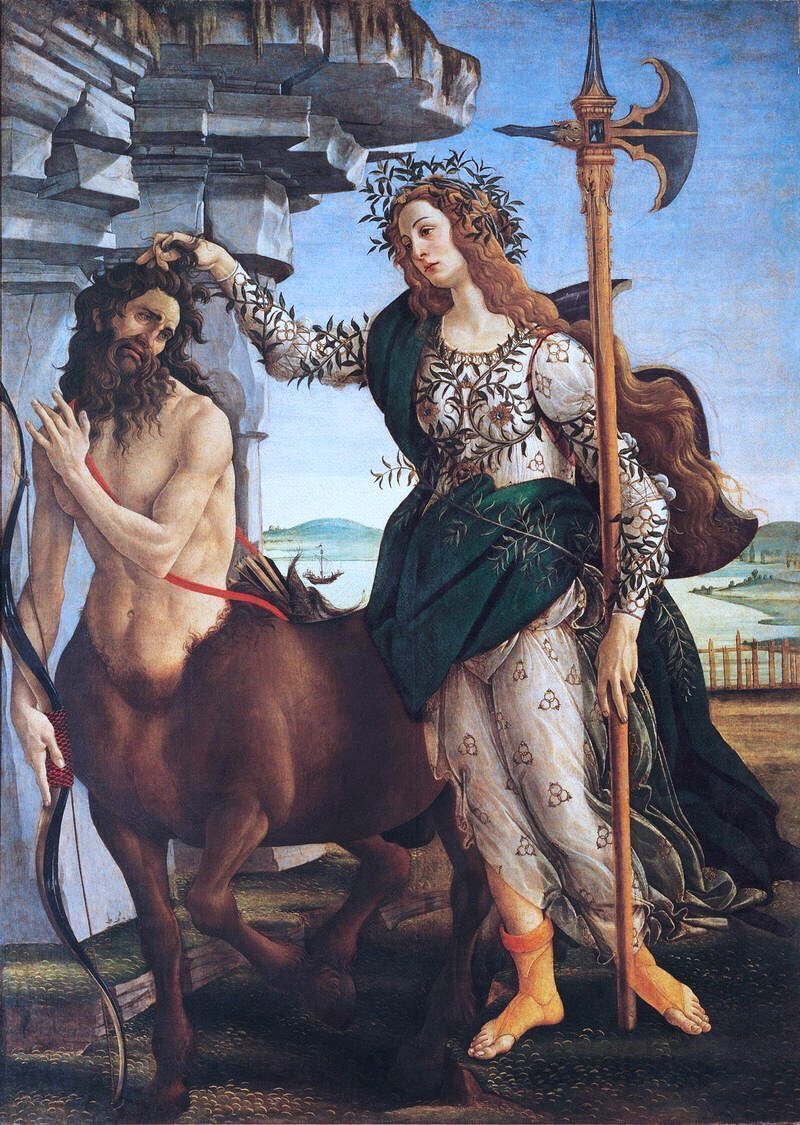
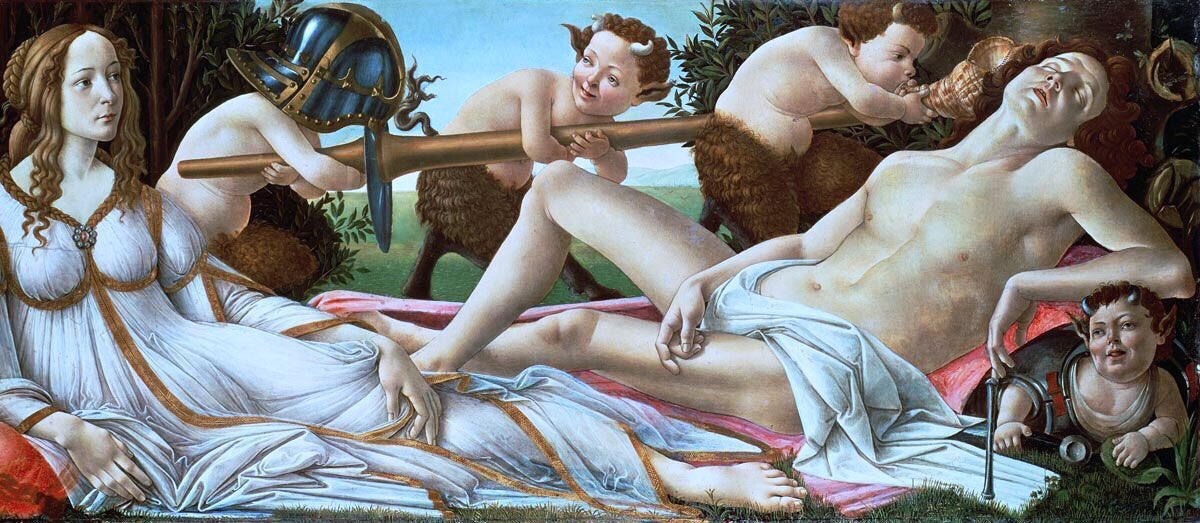
Botticelli would fall for an ideologue preacher &, probably as a result of his insecurity over the ‘sins’ of his sexuality, would reject secular themes for religious ones. Pallas & The Centaur (c1482) & Venus & Mars (1483)
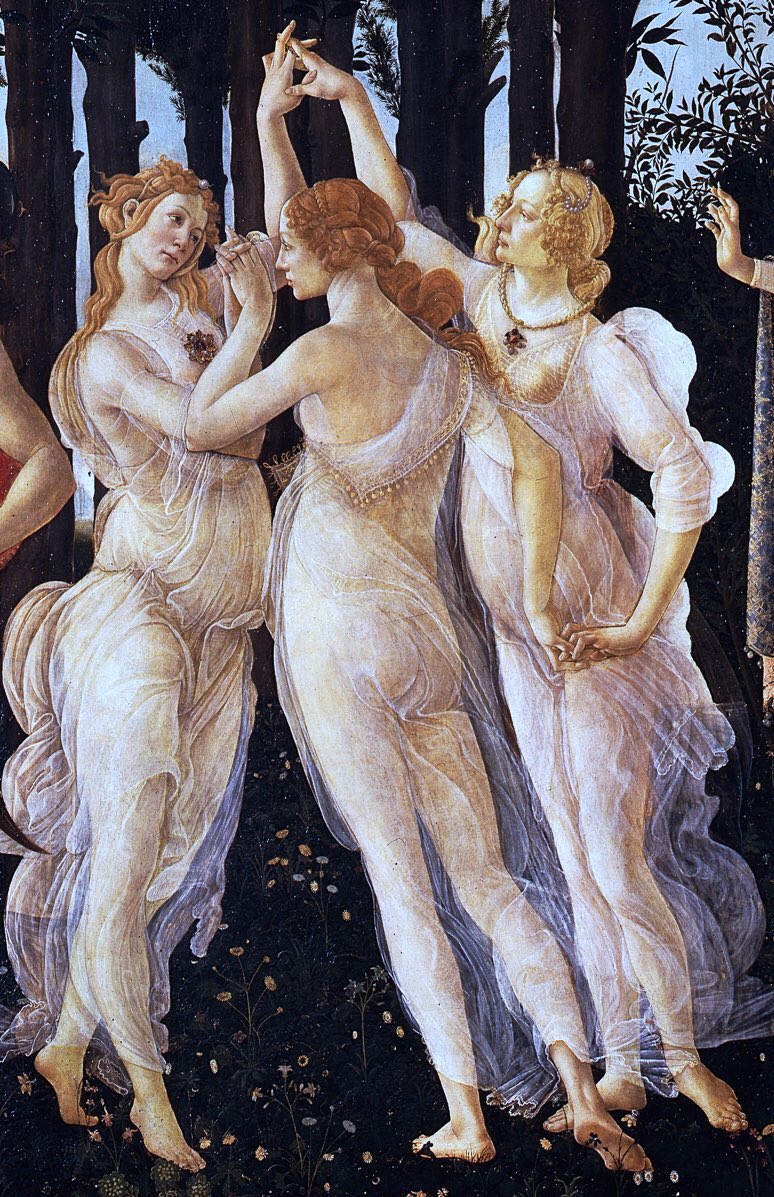
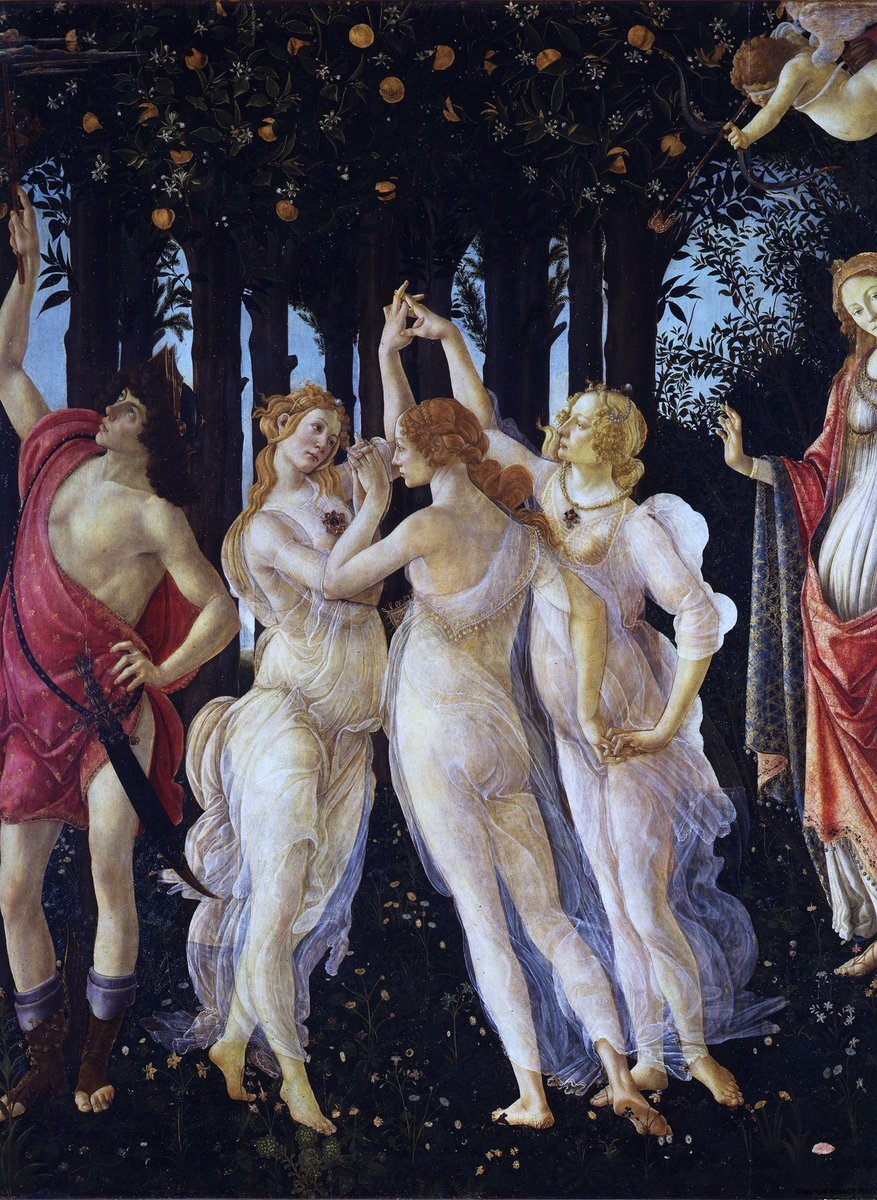
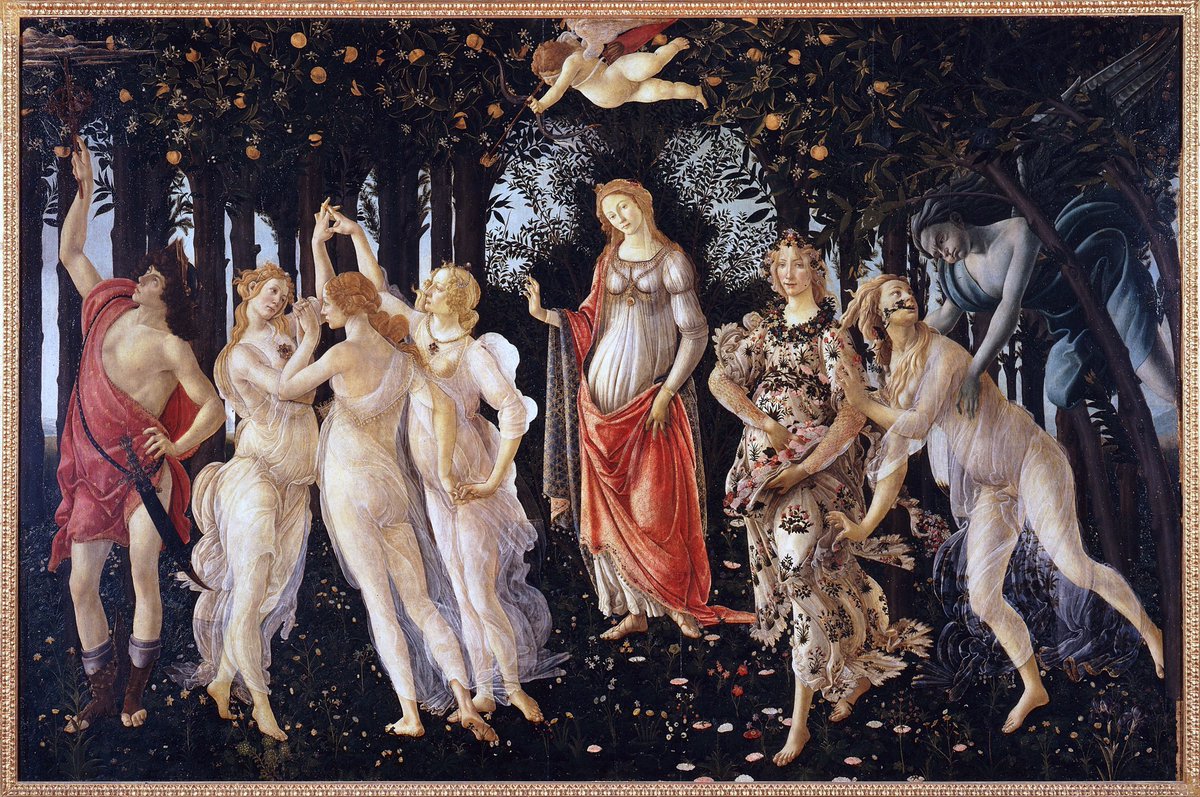
The Primavera (1482) is one of the most treasured paintings in the world. It is an astonishing presentation of beauty & female elegance, in particular. However it is the male figure who exudes sensuality. Studies suggest he was painting for intellectual gay patrons
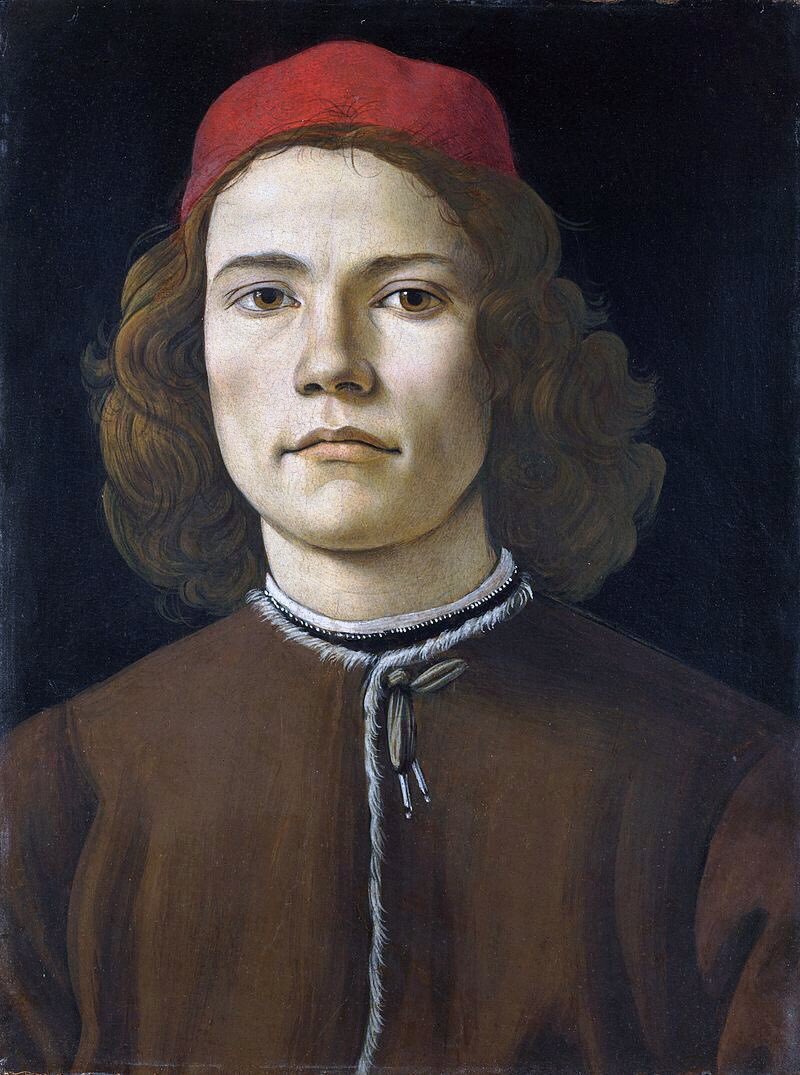
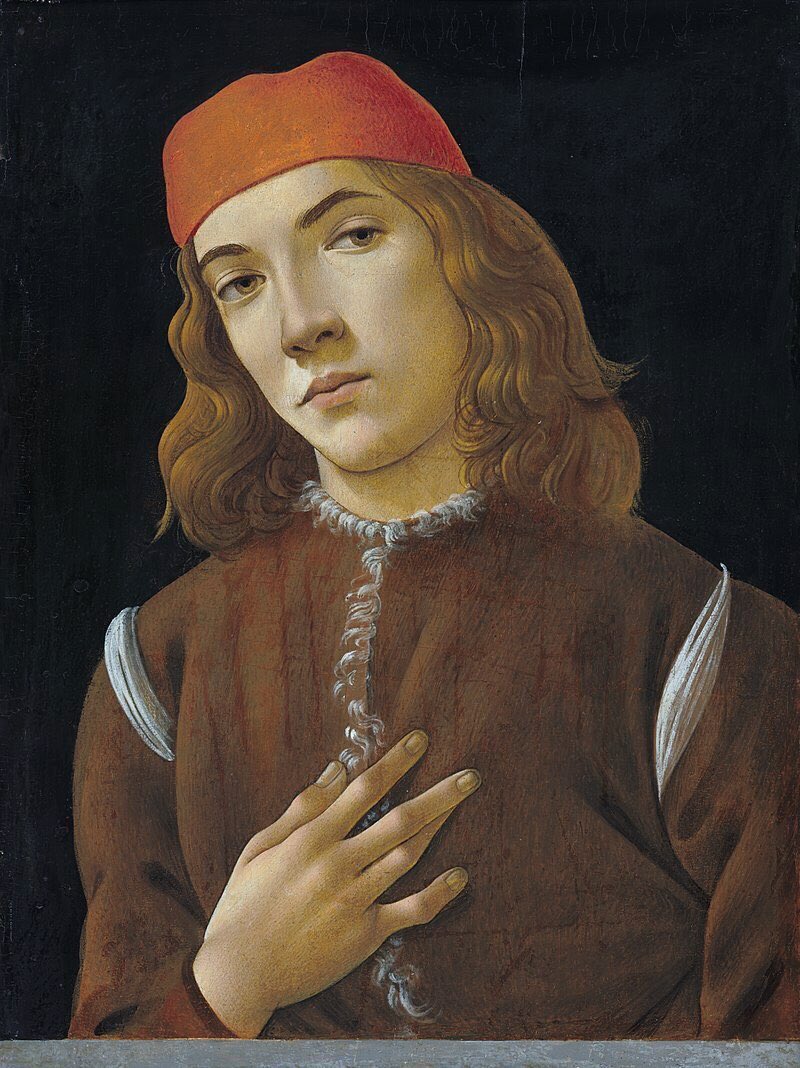
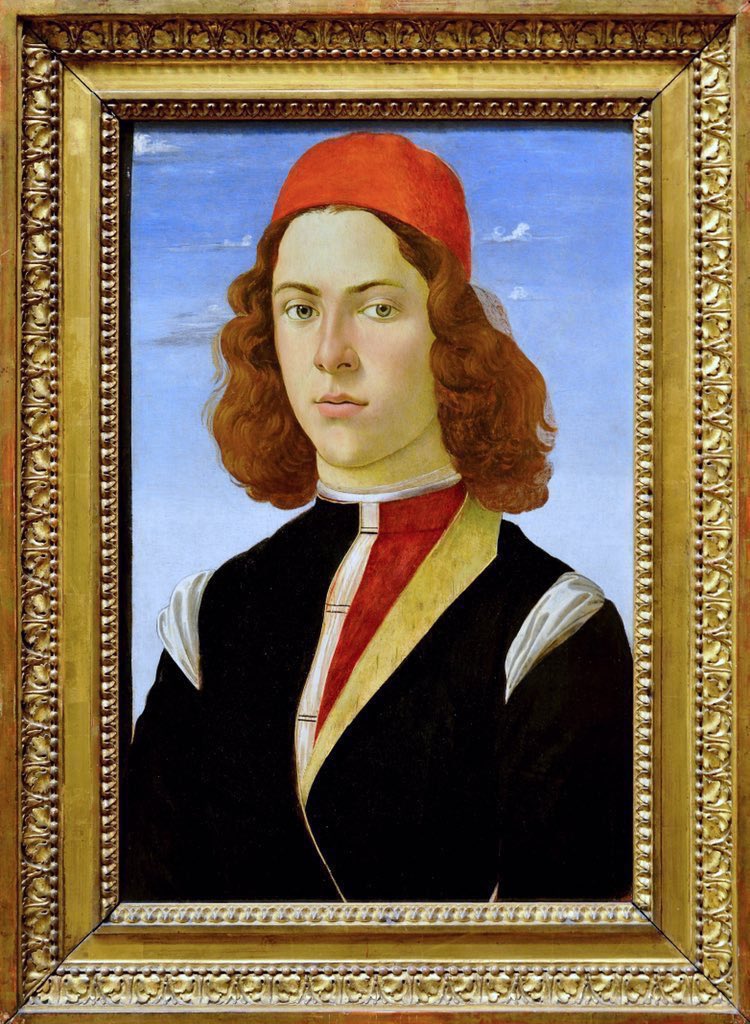
When he turns to painting his favoured young men he gives us not just beauty but also likenesses. Rarely does he combine a portrait with truth & beauty unless it’s a young man. Portrait of a Young Man (c1483, c1483 & c1485)
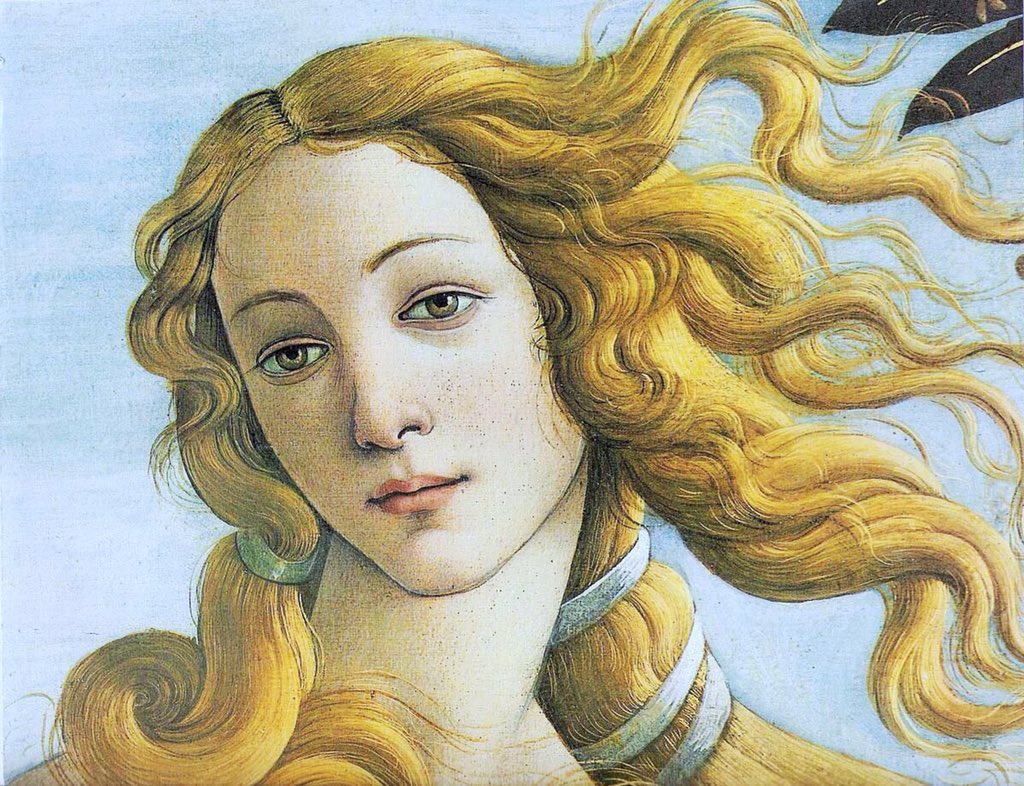
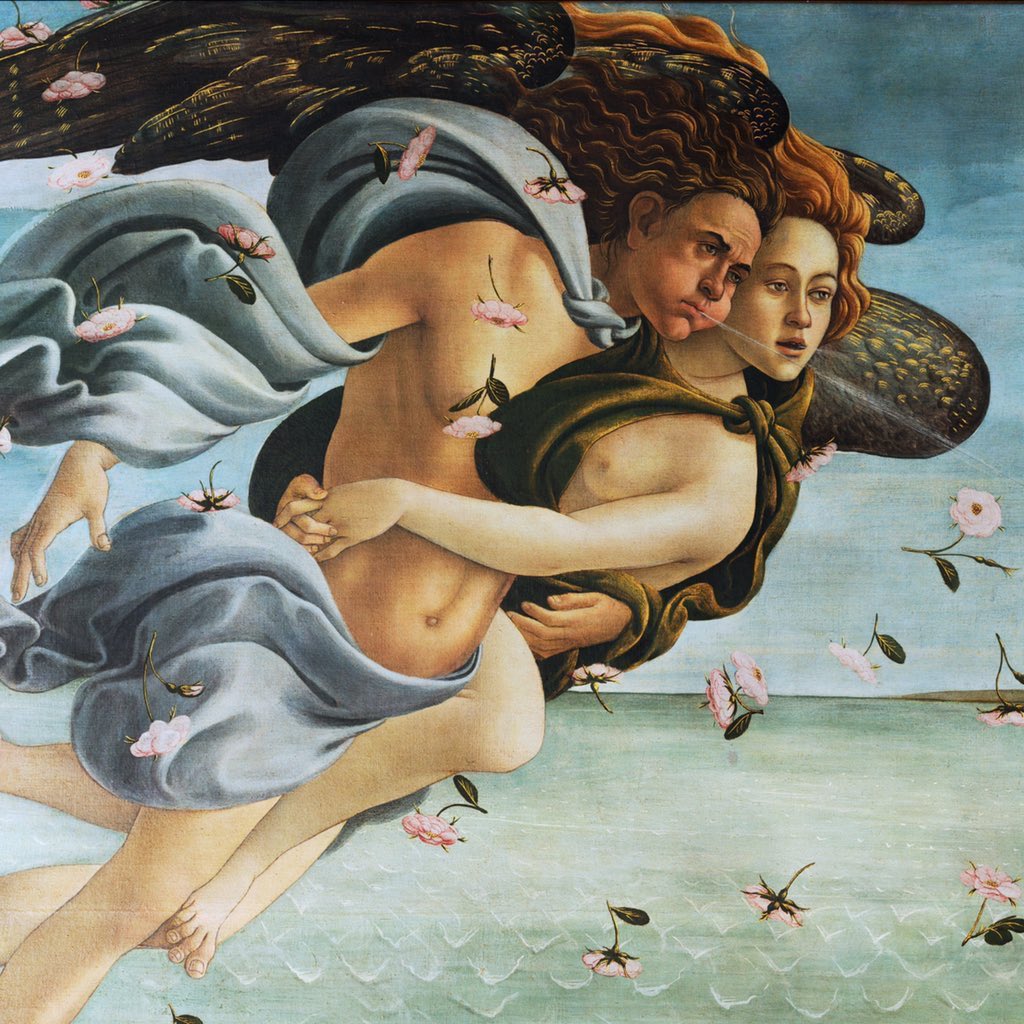
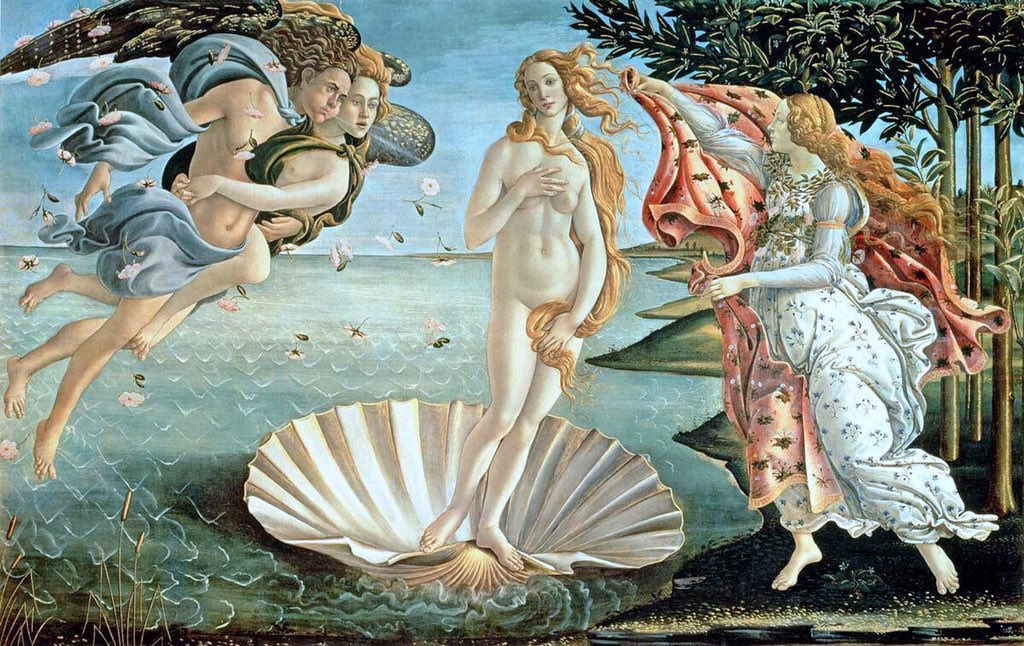
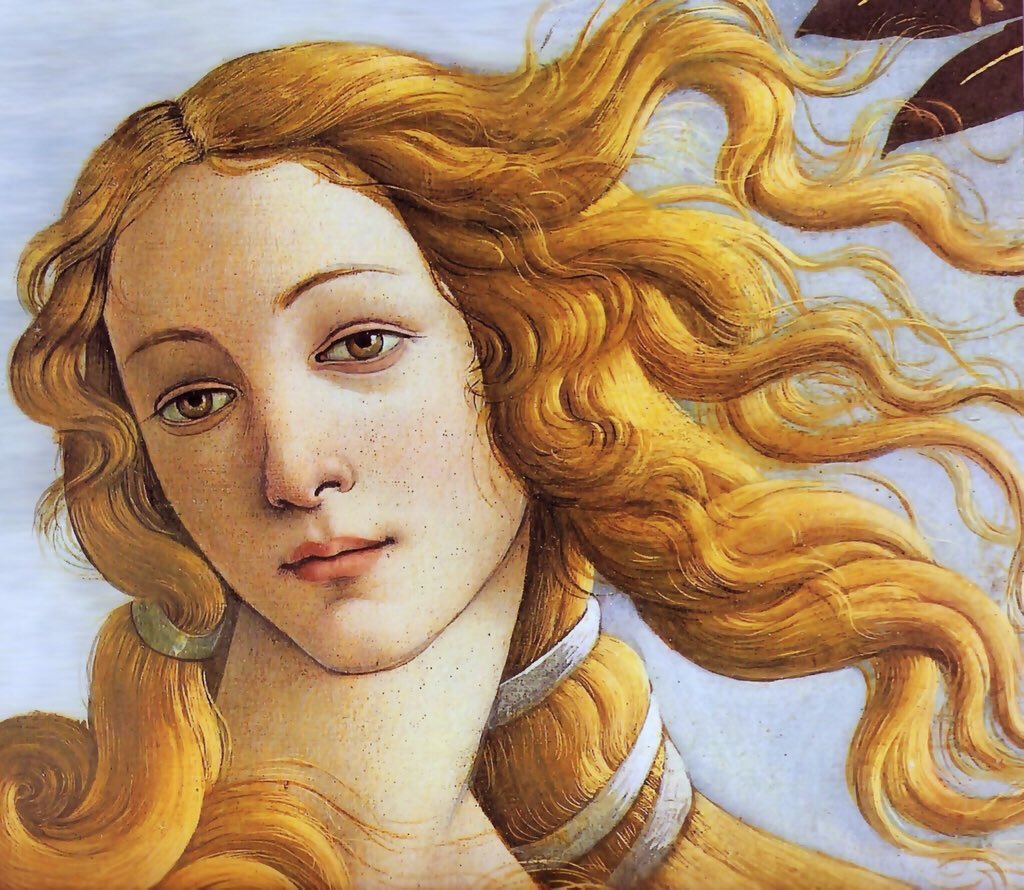
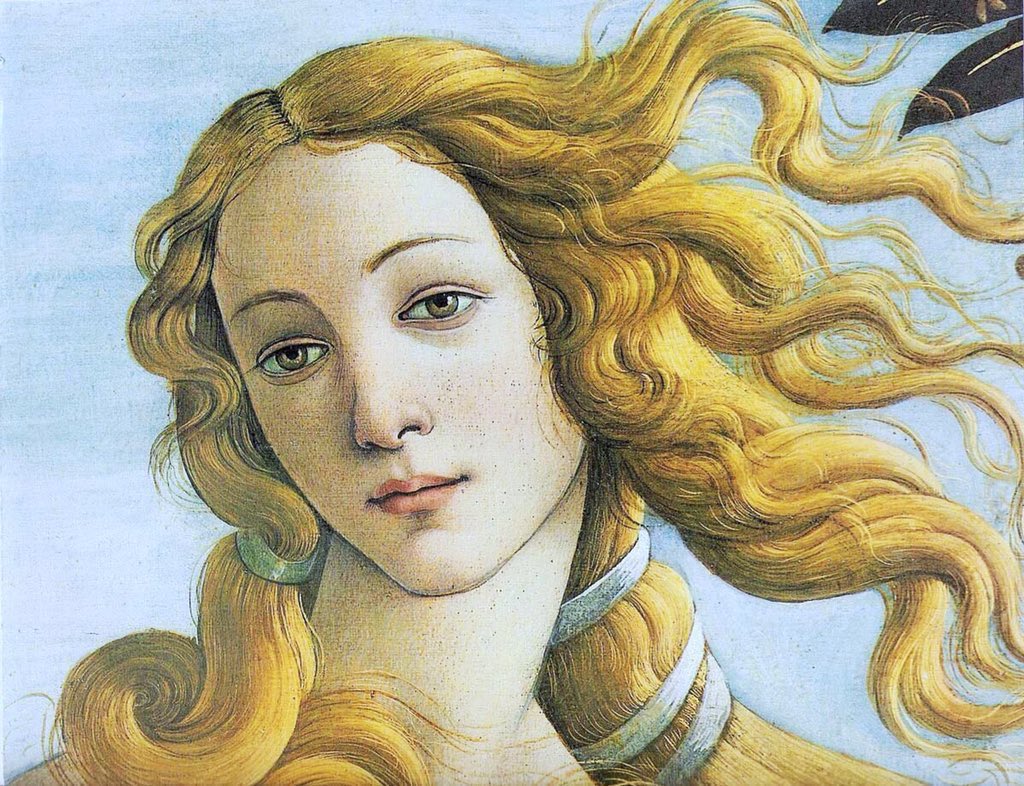
Birth of Venus (1485) is an aerial delight. Perhaps most unusual is that it is the ultimate ideal of the female form & yet is depicted by a gay man. It is the beauty of a Goddess & not of a woman of flesh & blood.
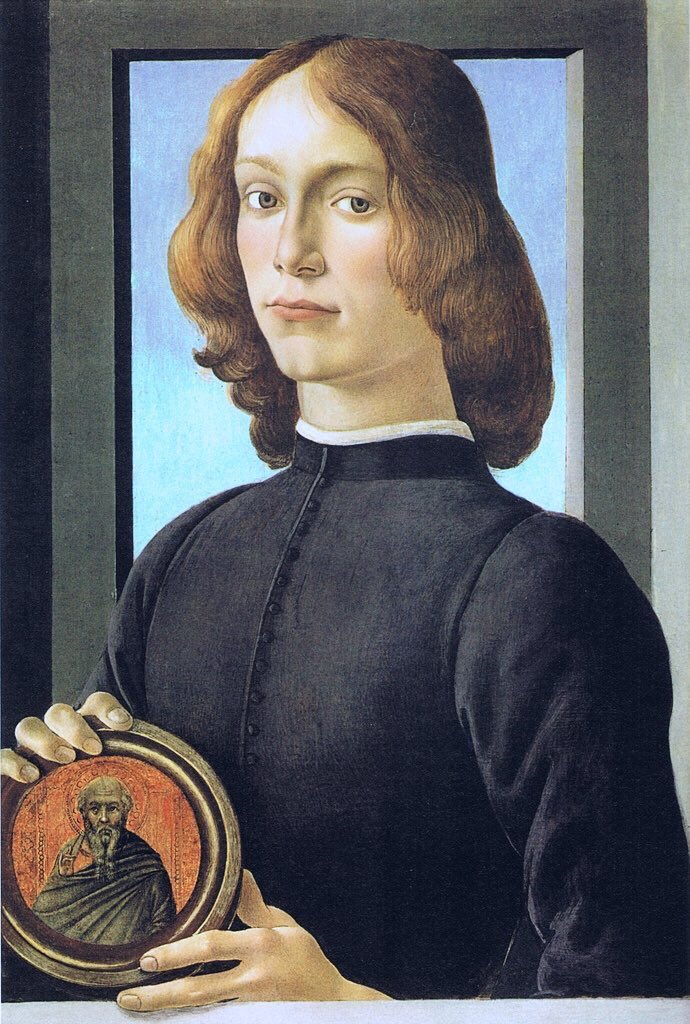
Portrait of a Young Man with a Seal (1485) is a relatively unknown Botticelli that recently came up for auction. It has a modern feel & there is a charisma to the image as the sitter smiles coyly at the artist.
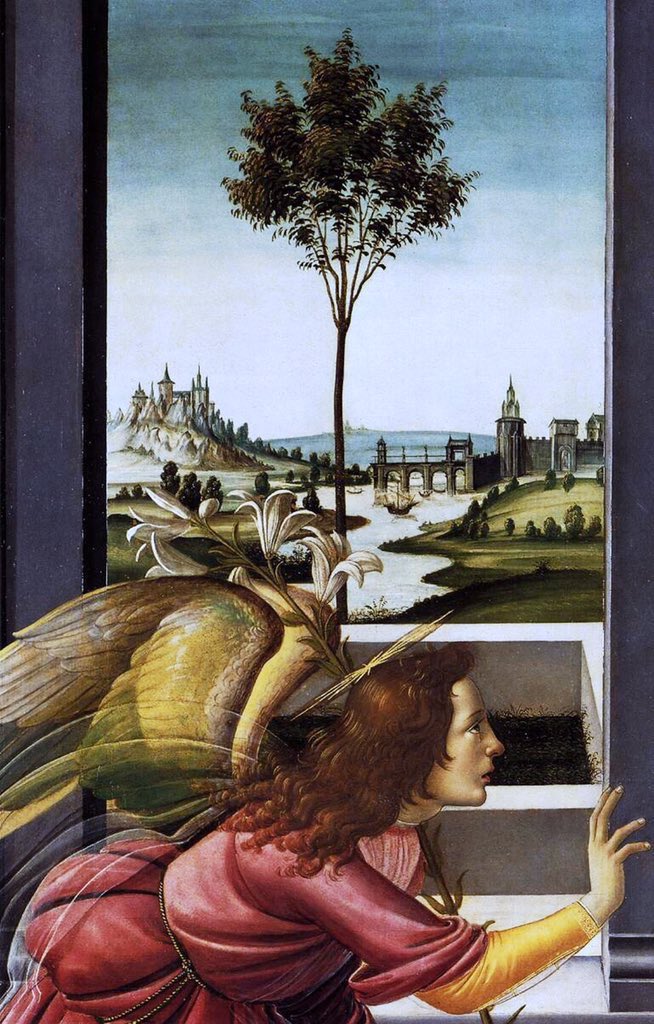
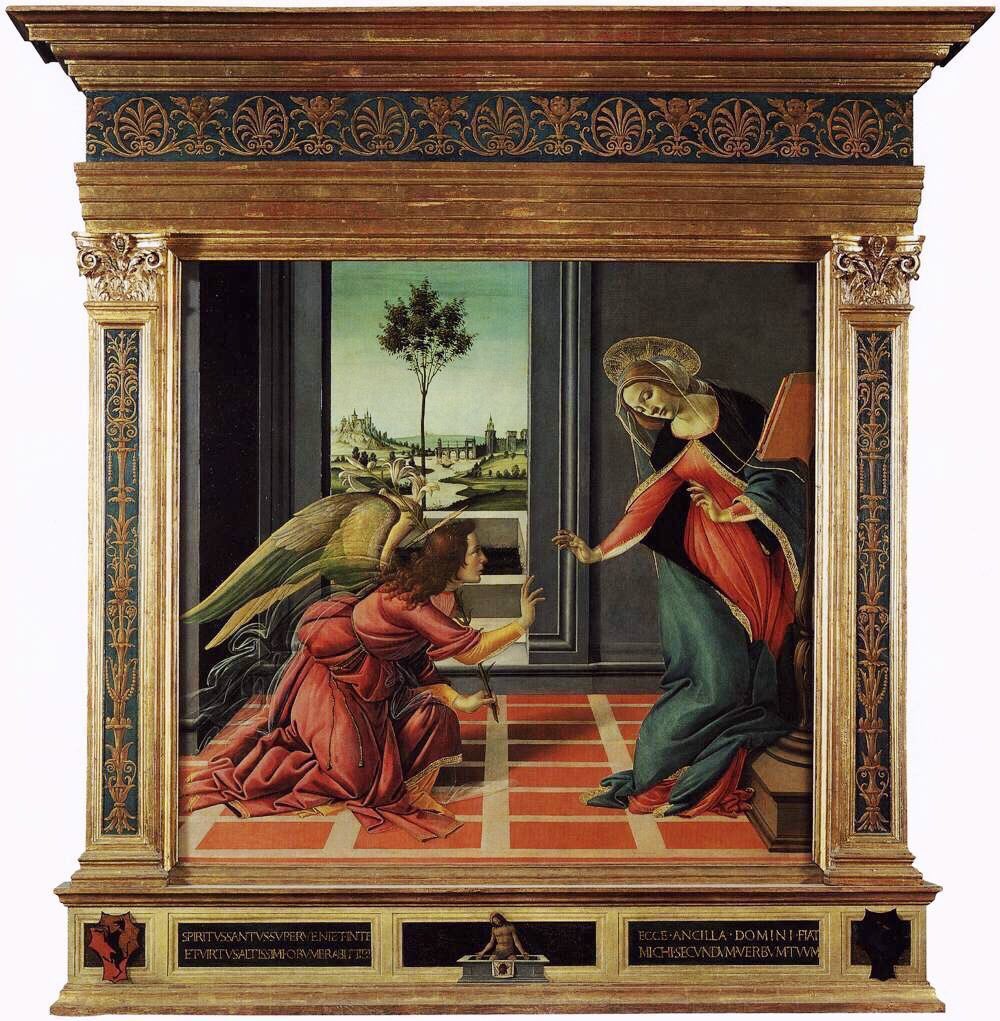
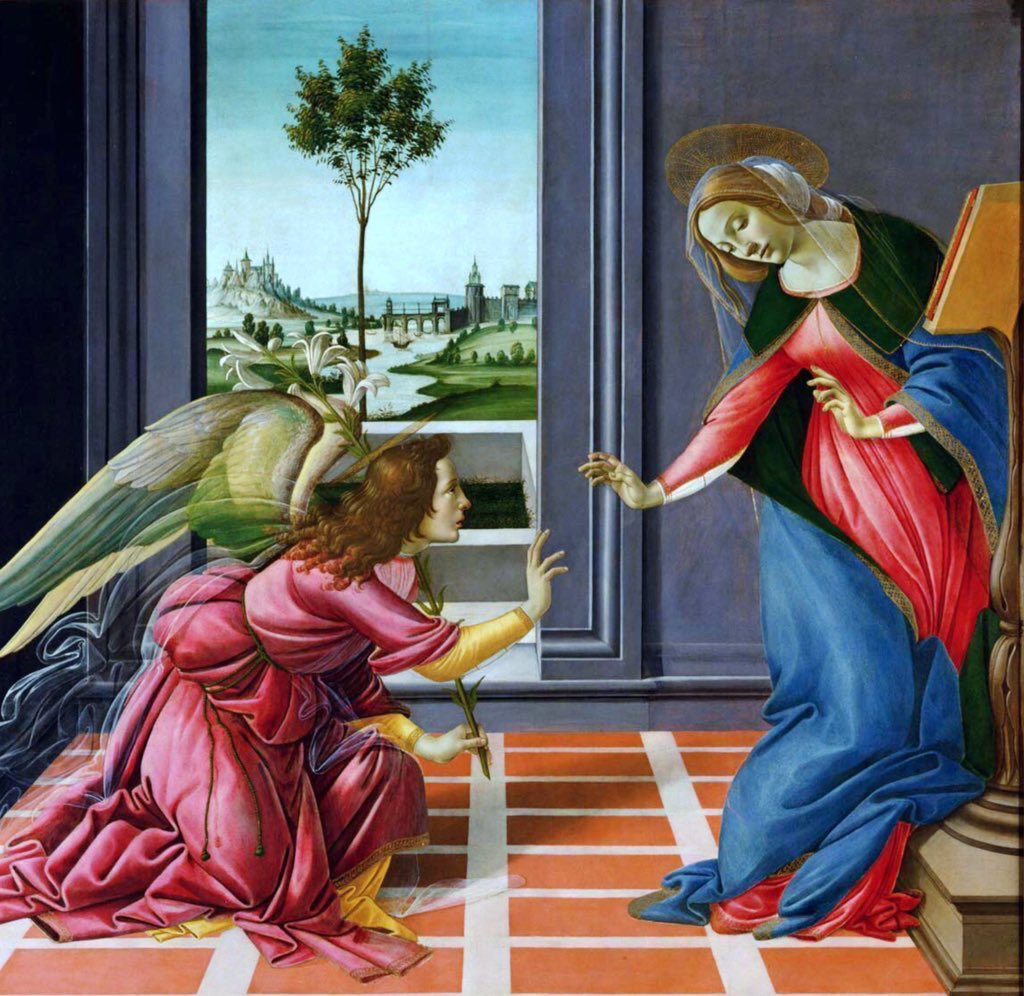
The Cestello Annunciation (1489-90) is, in my opinion, Botticelli’s greatest Annunciation. The hands, torsos & glances are a ballet of expression. It is also a presentation of the rules of perspective.
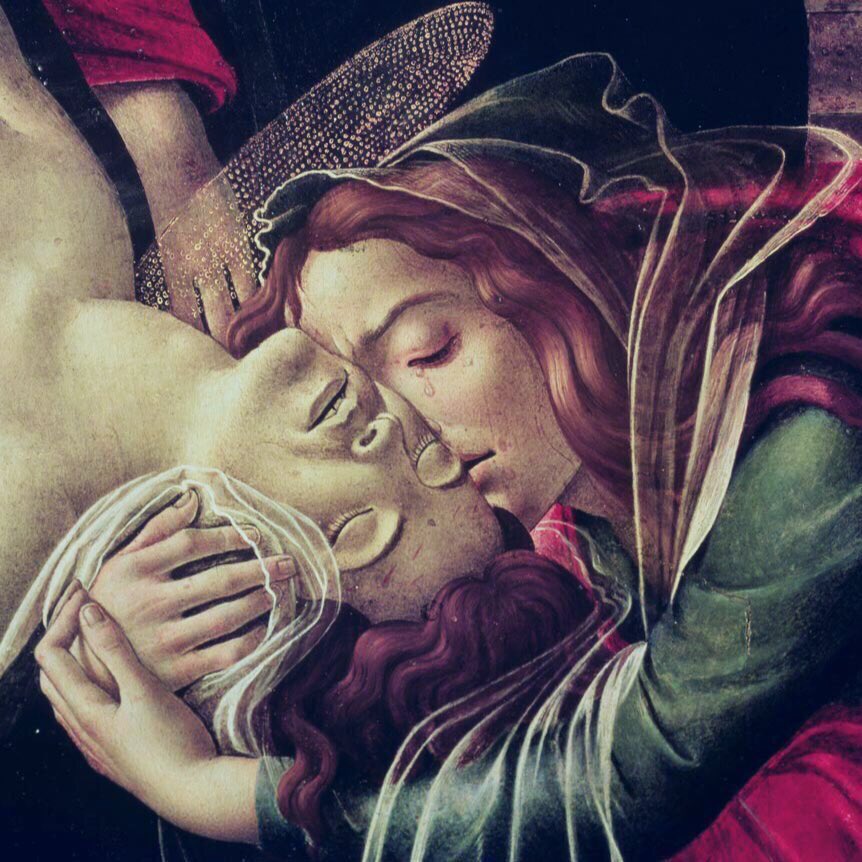
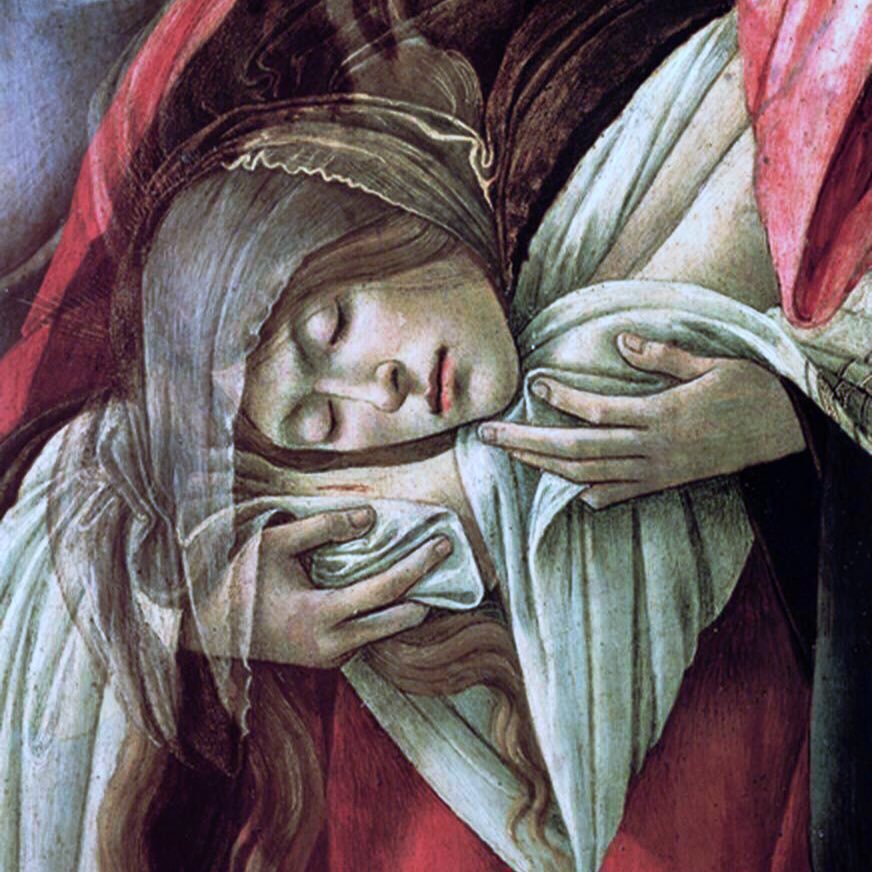
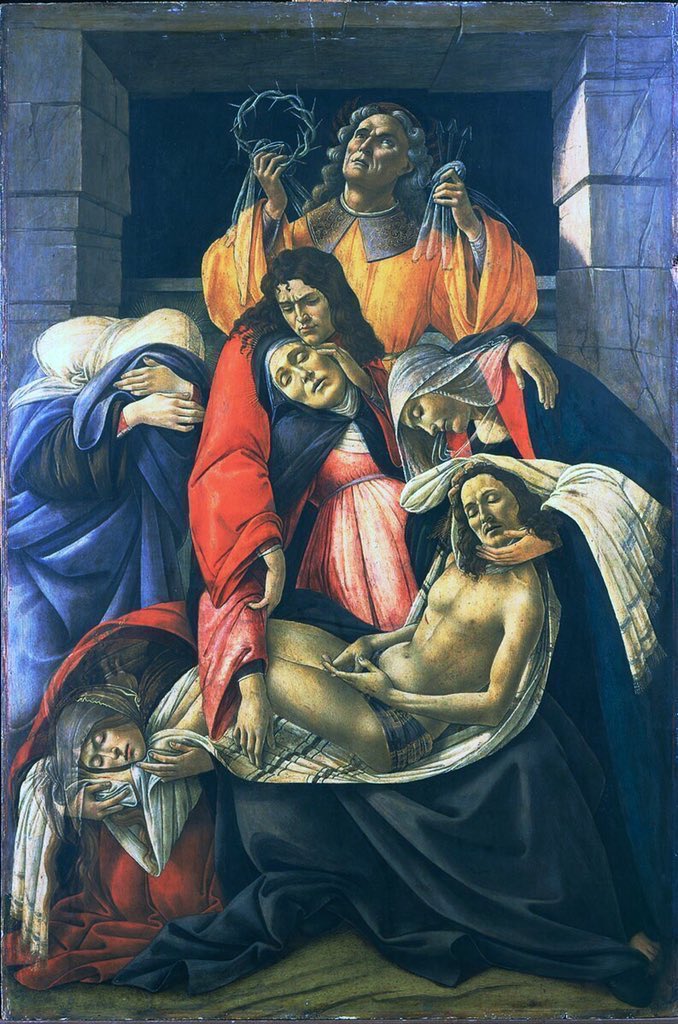
Lamentation over the Dead Christ (c1490) is a powerful image of grief. In this work the painter puts every ounce of his faith into one image. The painting confronts us with both the belief & the genius of the Italian artist.
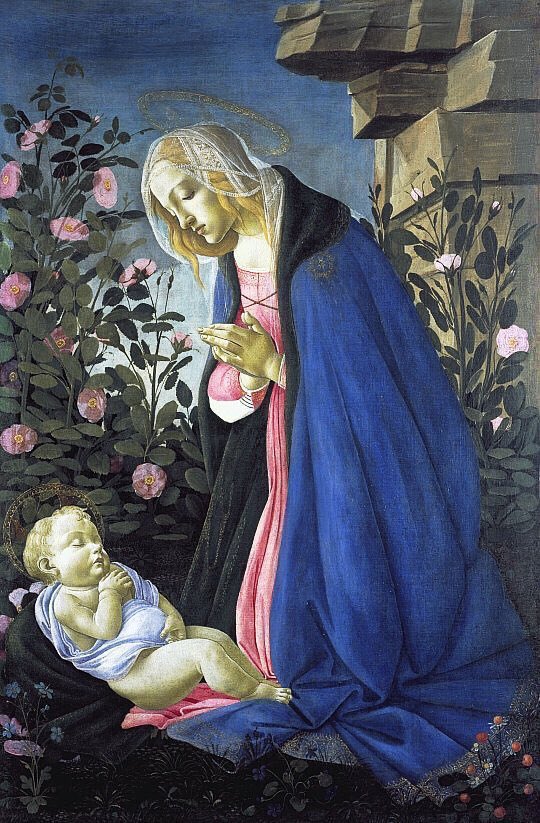
Virgin Adoring the Sleeping Christ Child (c1490) is in the National Galleries of Scotland. It is a profound work & dominates its room. To see this Madonna is to experience one of the finest understandings of grace.
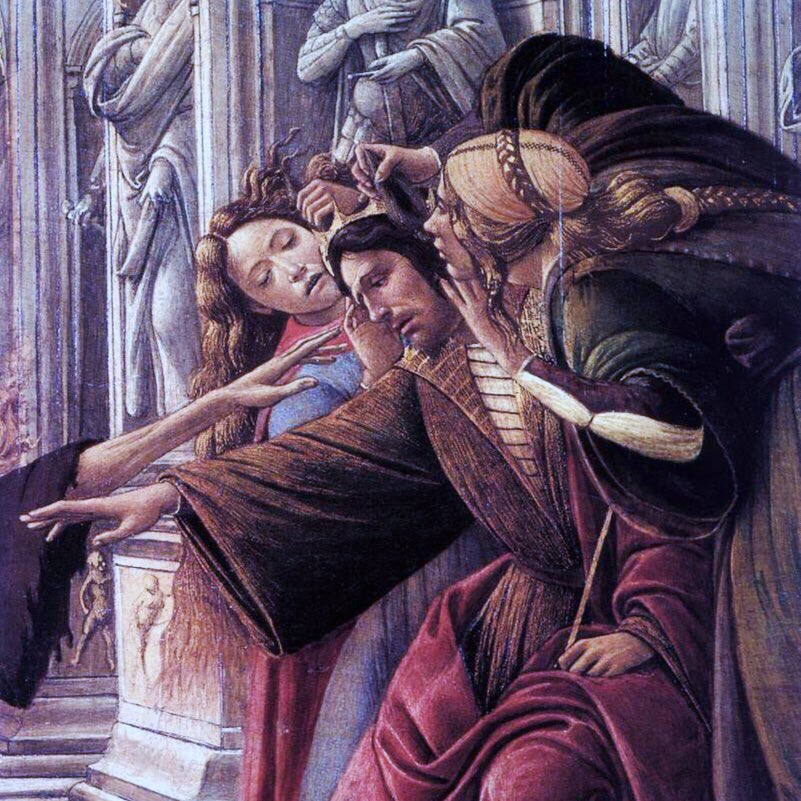
Calumny of Apelles (c1494-5) is based on the recreation of a work of a Classical artist where all his work has disappeared. Botticelli created a classical background yet populated it with stunning forms. I love the handsome man beset by beauties. True (if melodramatic) drama.
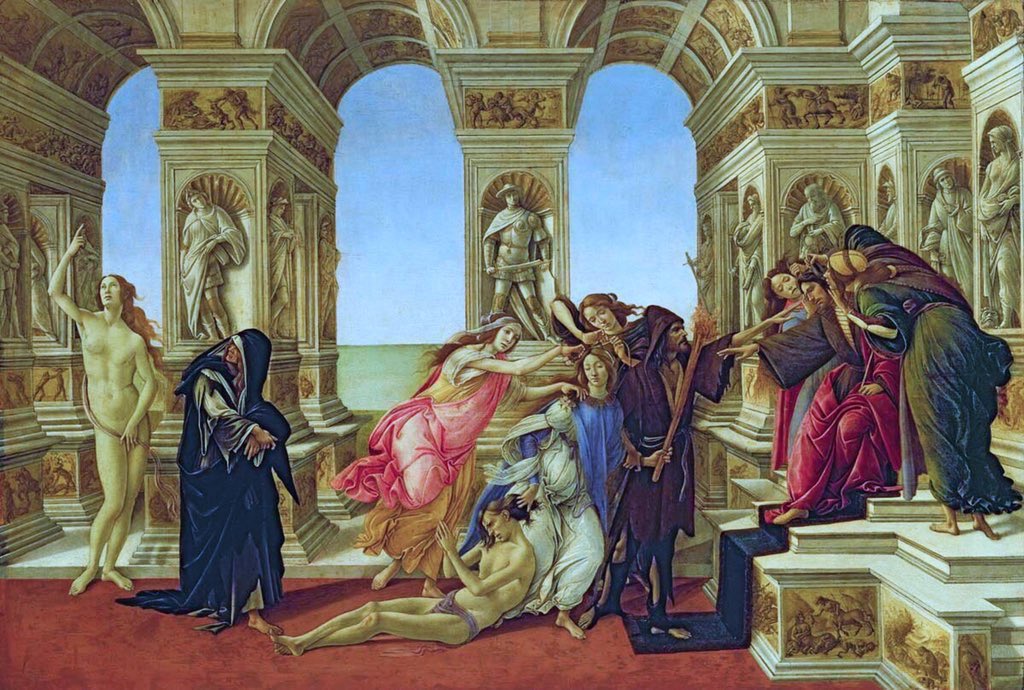
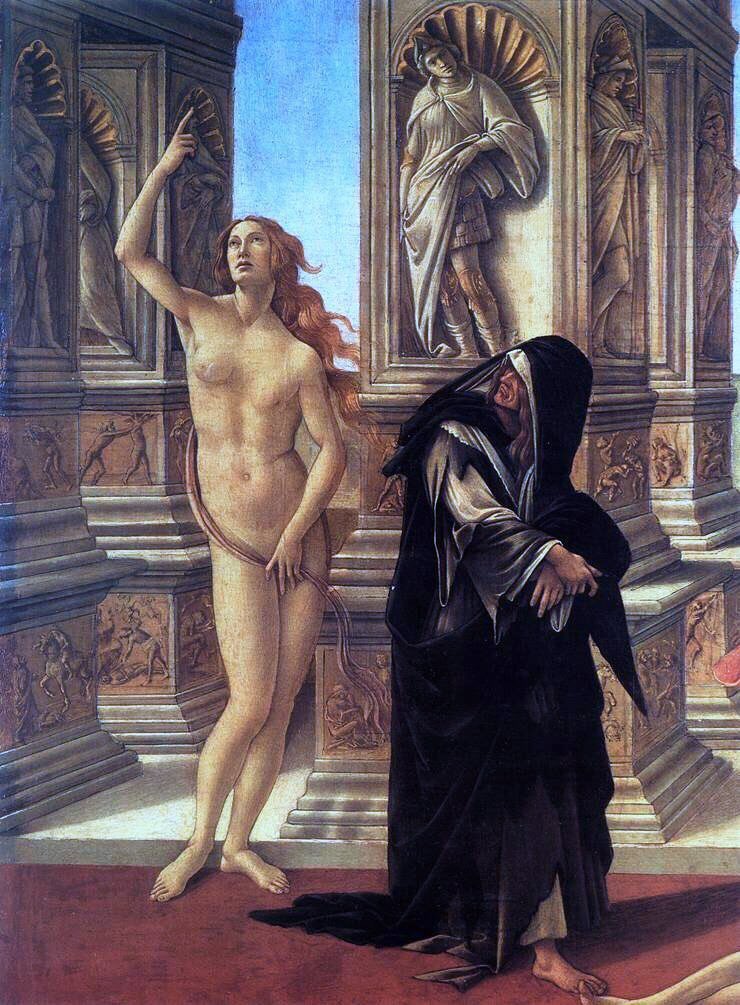
Agony in the Garden (1500) & Mystical Nativity (1500). The latter work hangs in the London National Gallery. It is full of incident, symbolism & meaning. However the joy here is the beauty & interaction of the figures.
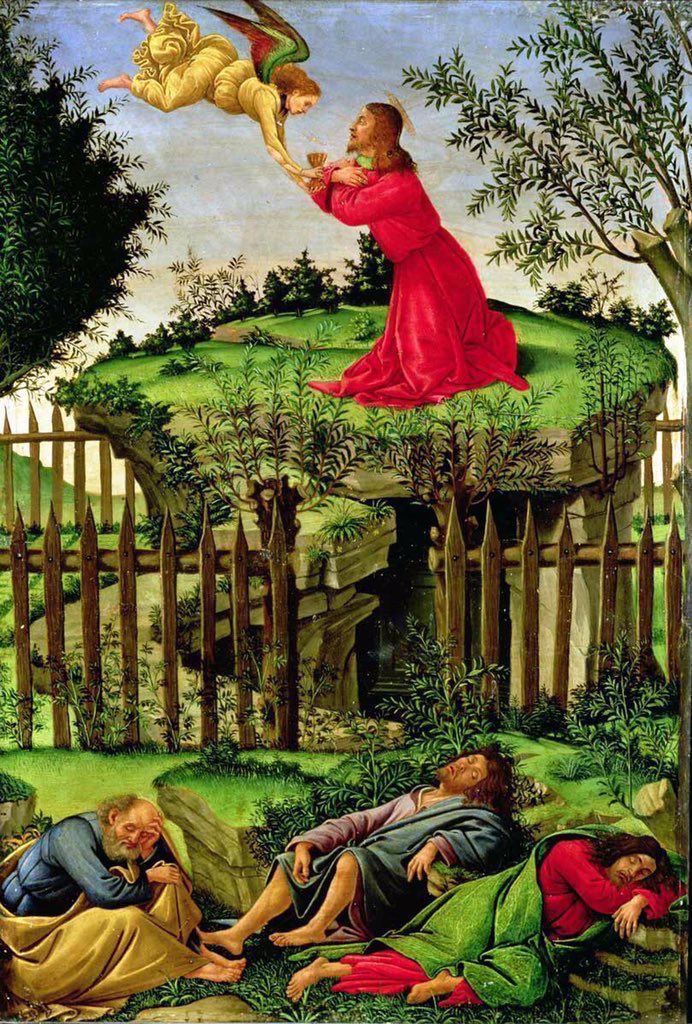
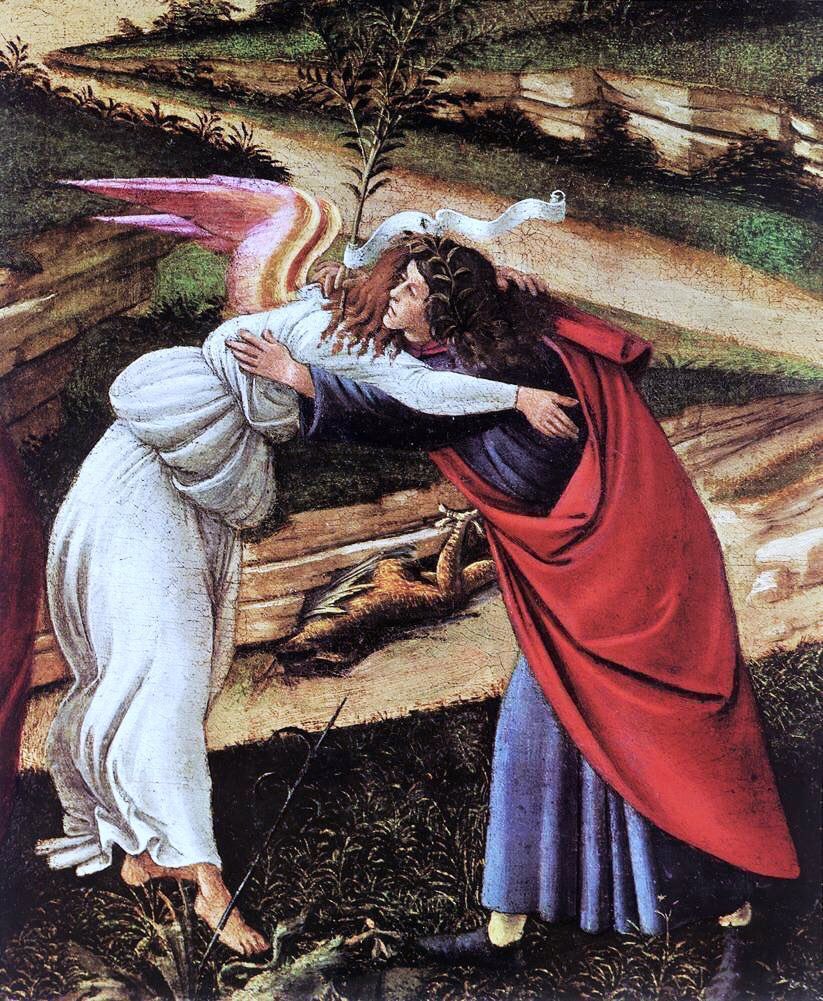
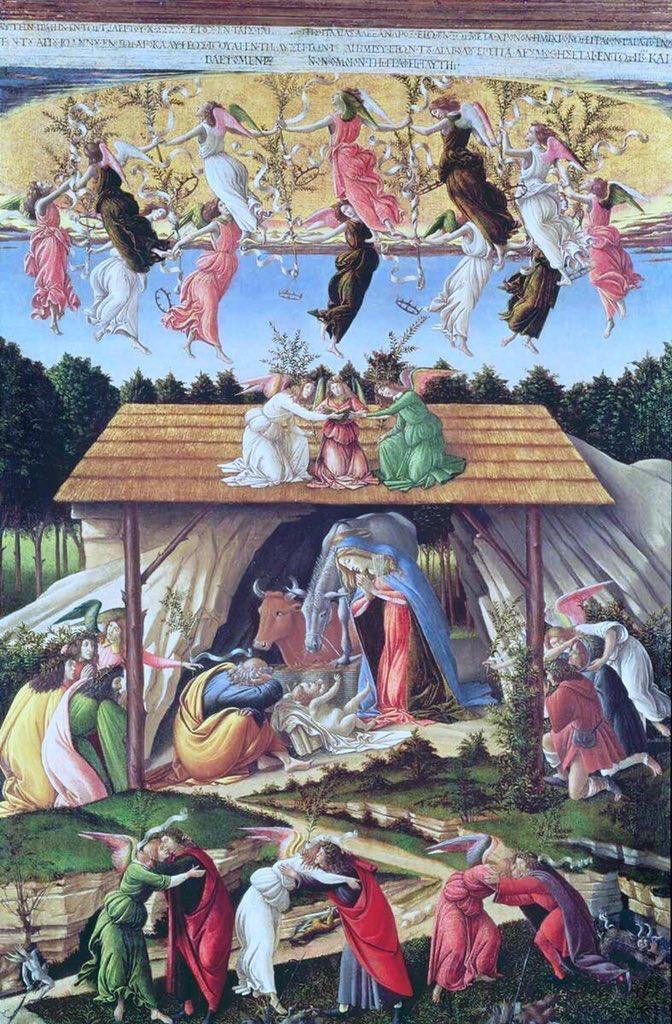
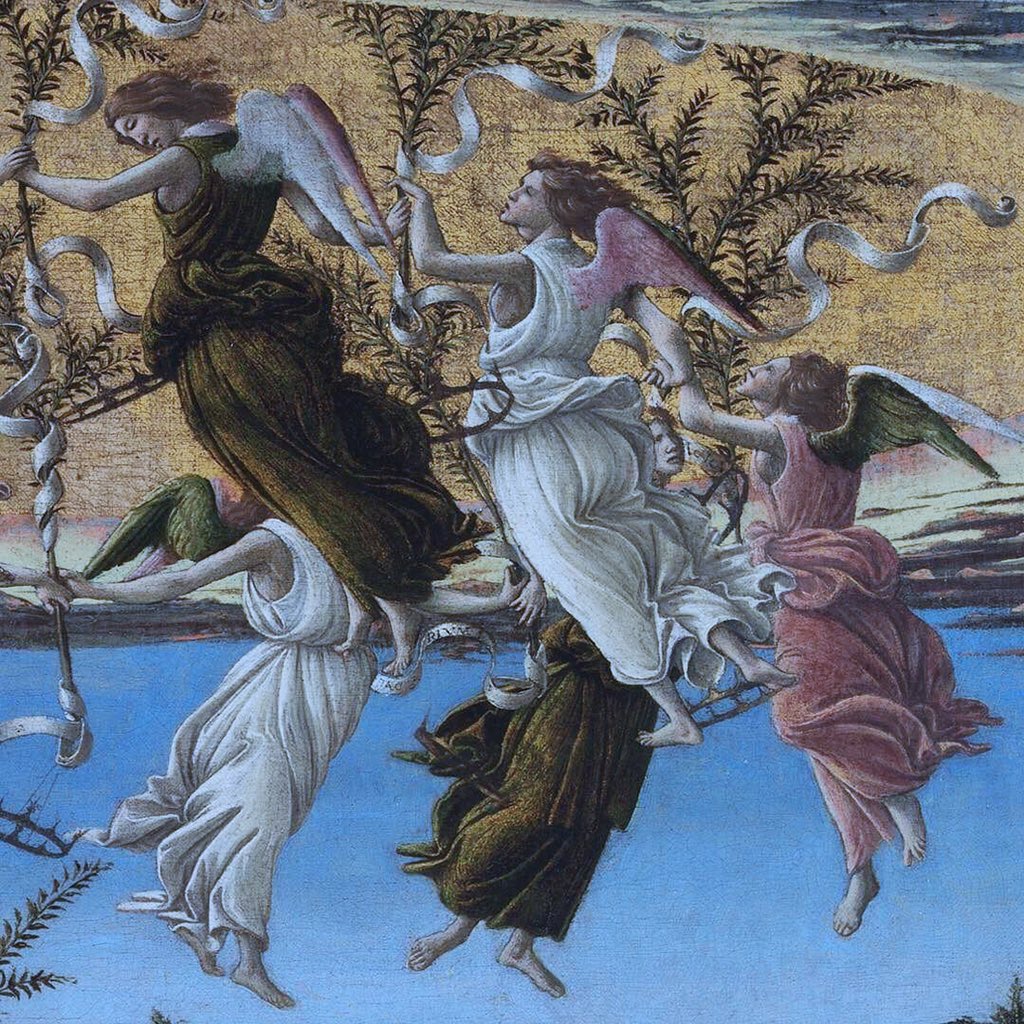
Botticelli was considered decadent in the 19th C. Indeed Wilde was one of his promoters. Conservative society was uncomfortable with the nudity, the beautiful youths & indeed the suppressed emotion. Today, it is for these reasons he is loved.
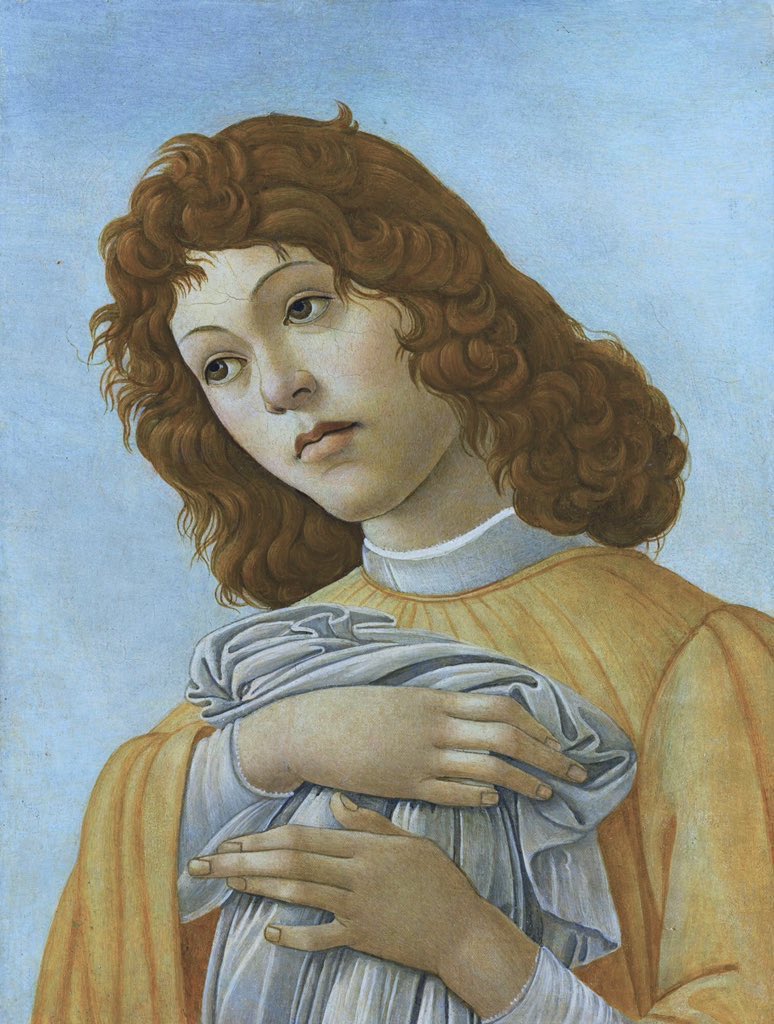
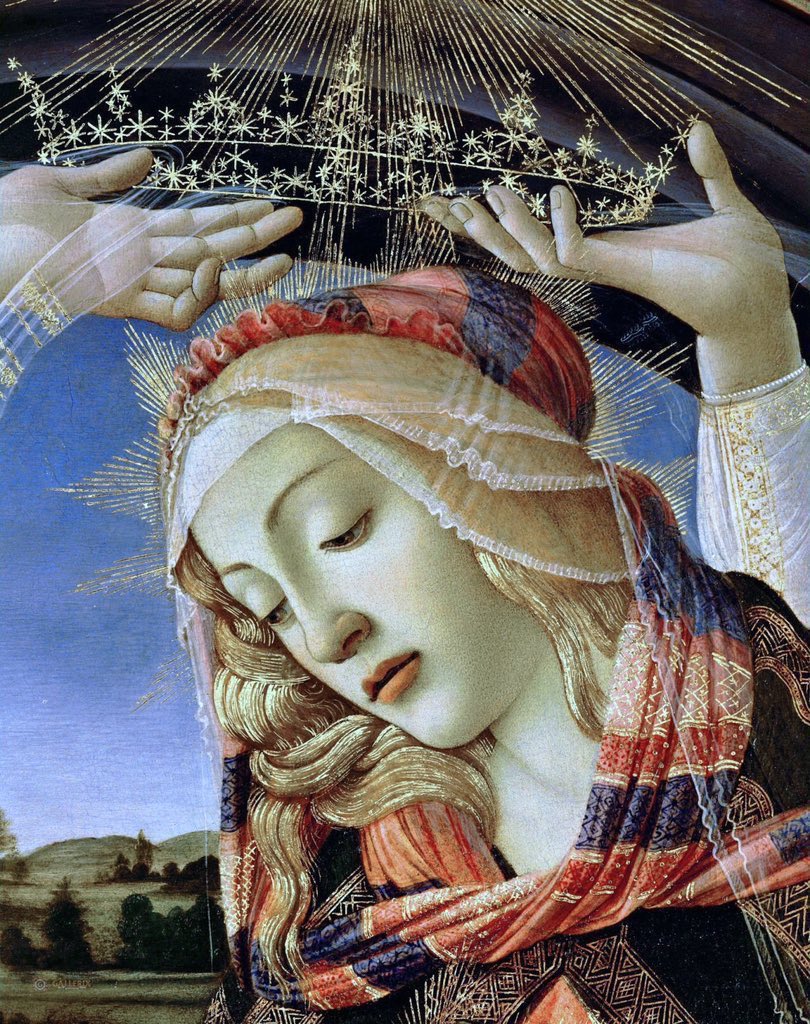
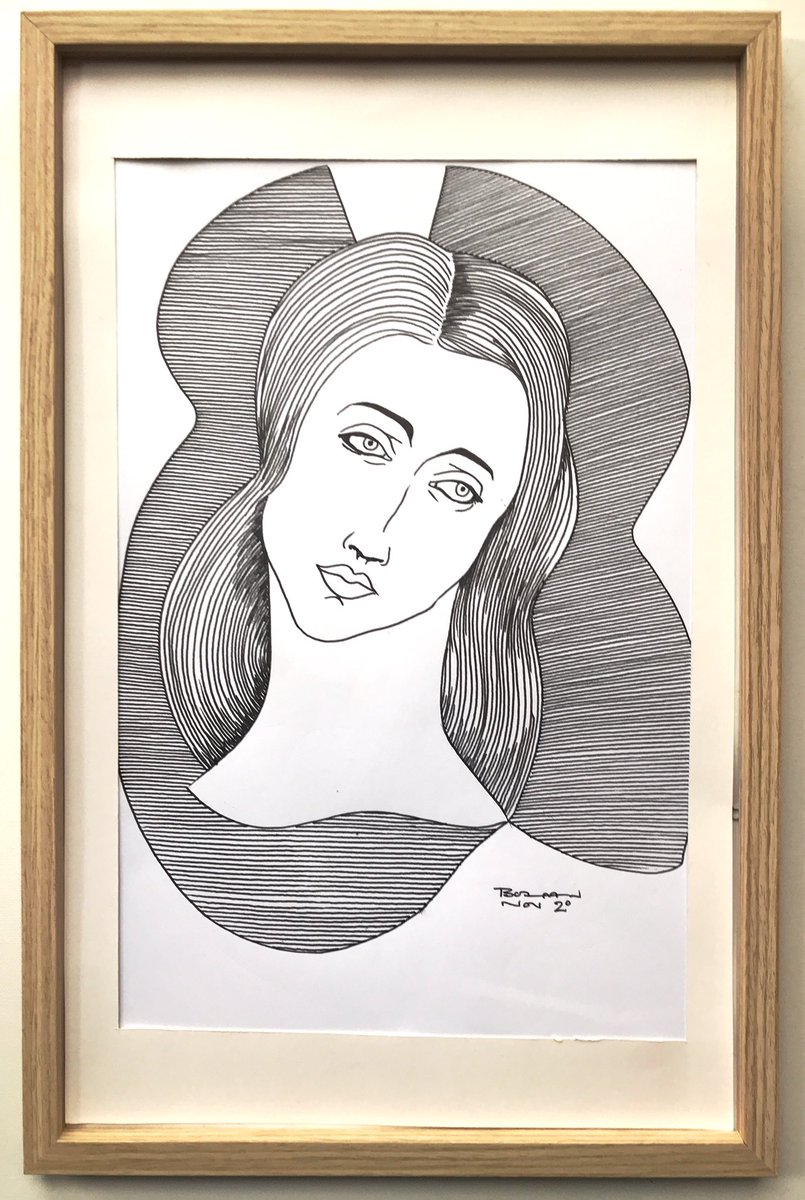
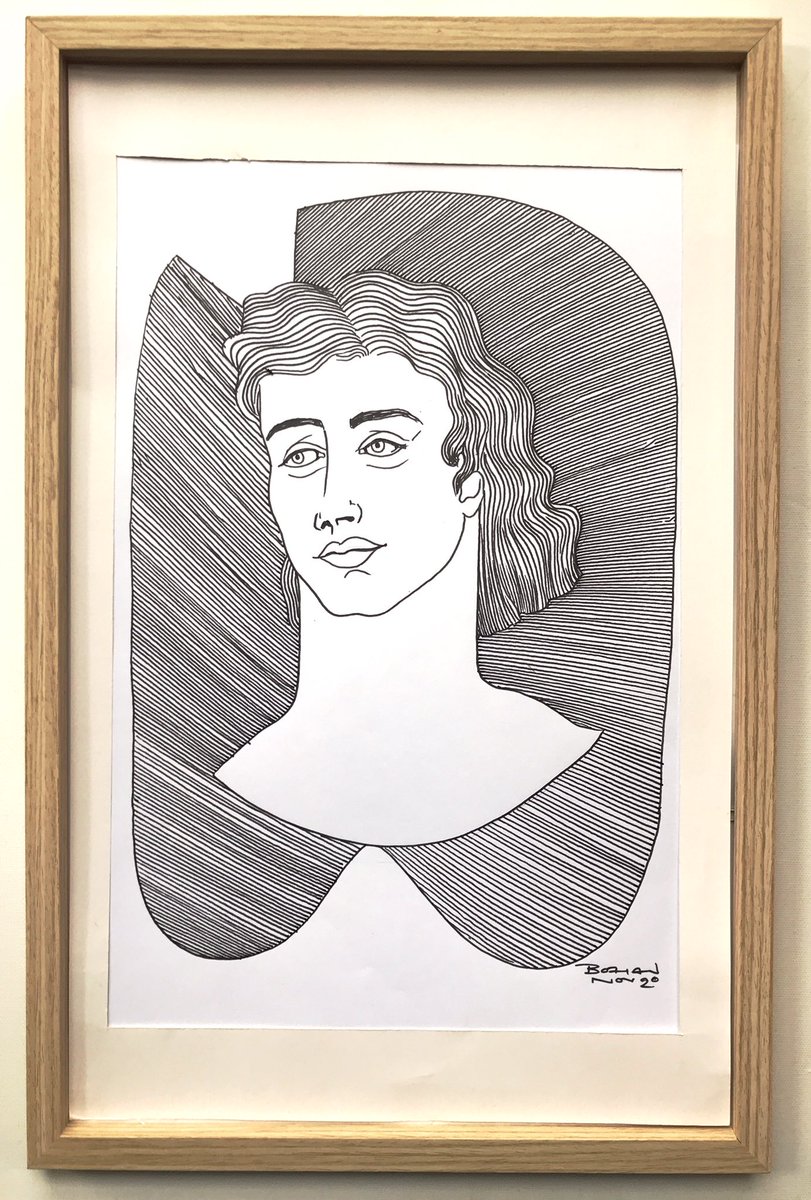
I’m fascinated with the challenge that Renaissance artists faced in depicting sacred figures. They sought to portray beauty, wisdom & holiness. I created these two original line drawings based on Botticelli. If you’re interested just message me to buy for just €149 the pair!