
 Read on Twitter
There are  type of #BREAKOUTS
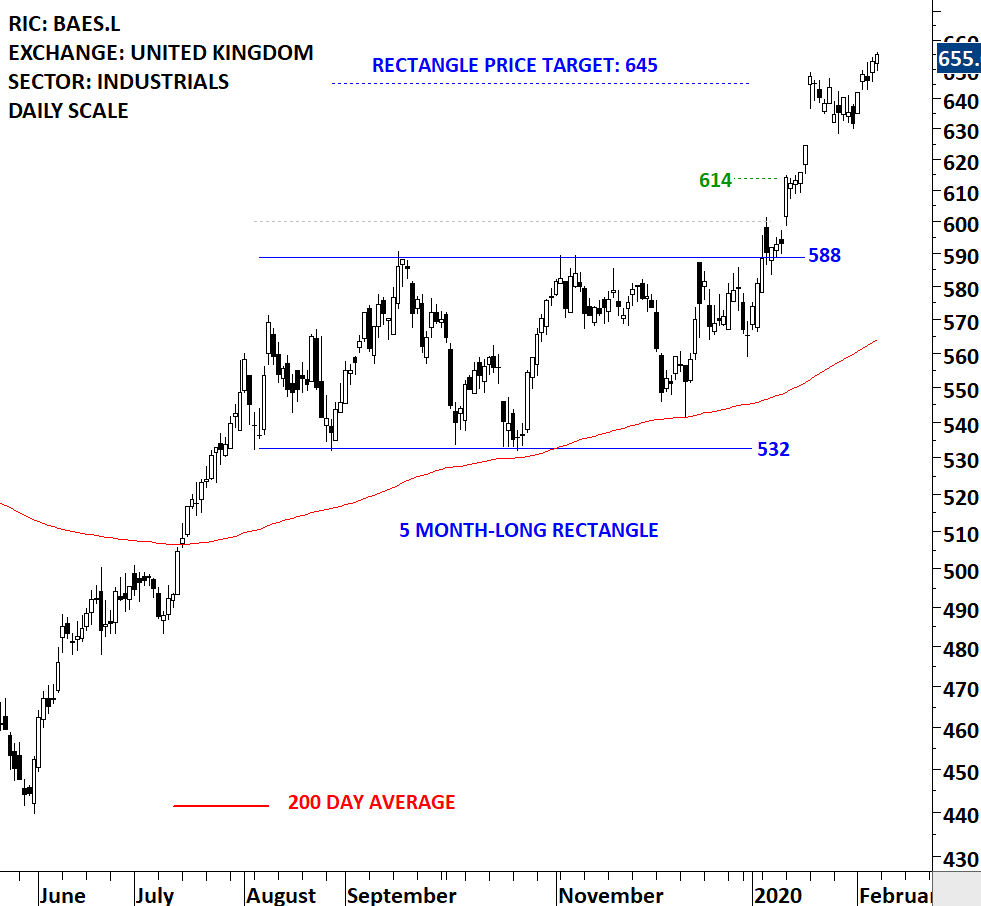
 Breakout without any retest
 Breakout with a re-test
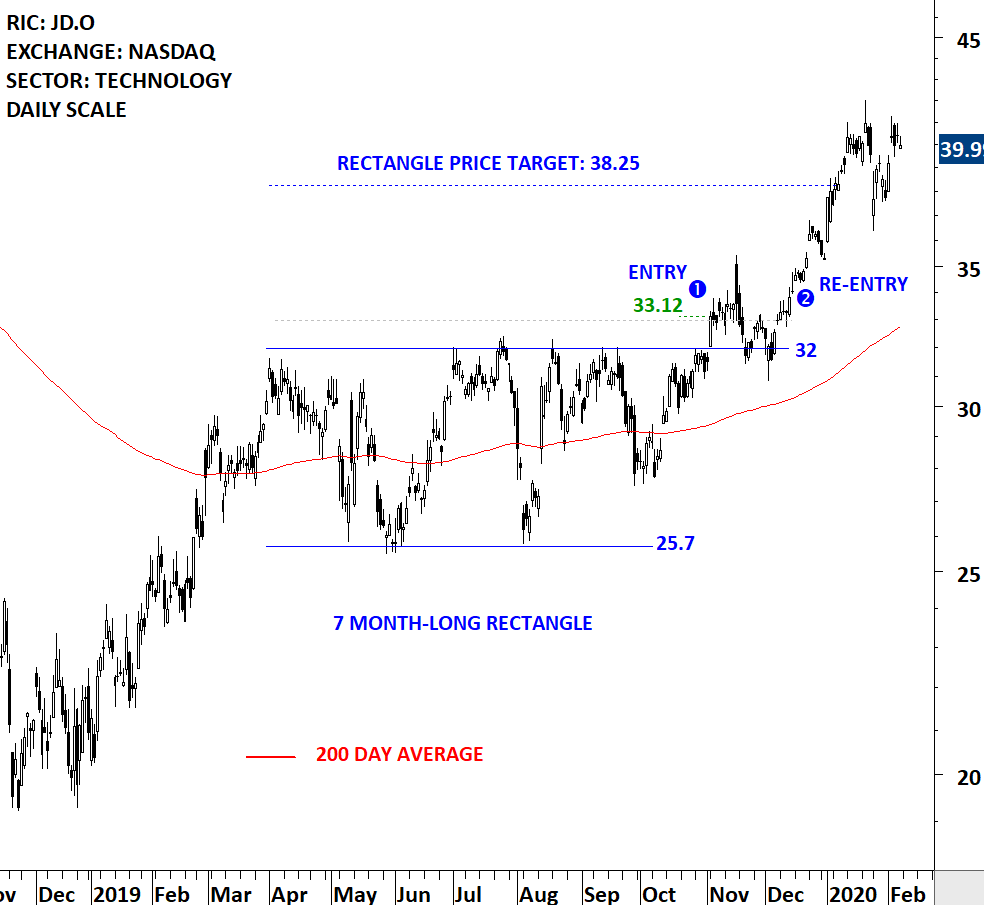
 Breakout with a hard re-test
Failed breakout
Following tweets explain each one of those with examples from recent breakout alerts
type of #BREAKOUTSBreakout without any retestBreakout with a re-testBreakout with a hard re-testFailed breakoutFollowing tweets explain each one of those with examples from recent breakout alerts
Breakout without any retestIf you have a stop-loss placed below the chart pattern boundary, this is the easiest to trade. Following the breakout your stop-loss will no be challenged and price target will be met.
#BAES #FTSE #UK
 Breakout with a re-test
If you have a stop-loss placed below the chart pattern boundary, this type of trade may test your patience but still will not challenge your protective stop-loss. Chart pattern boundary will even offer a new entry opportunity.
$NDAQ $QQQ
 Breakout with a hard re-test
If you have your stop-loss below the chart pattern boundary and it is a tight stop-loss, you might get stopped out depending on the hard re-test.
A trading tactic to re-enter: immediately after price recovers above pattern boundary
$JD $QQQ
 Failed breakout
If you have your stop-loss below the chart pattern boundary, price will fail to hold the breakout level and you will get stopped out. These are part of trading breakouts. It is important to always have protective stops (BELOW PATTERN BOUNDARY) in place.
$INCY

There is no perfect stop-loss strategy.
There is no perfect indicator that will warn you of failed breakouts and improve your win rate.
There is "leap of faith" 'courage to pull the trigger" with those breakouts.
There is managing risk via protective stops and position sizing.
There is no perfect indicator that will warn you of failed breakouts and improve your win rate.
There is "leap of faith" 'courage to pull the trigger" with those breakouts.
There is managing risk via protective stops and position sizing.


